Play Adverse Effects
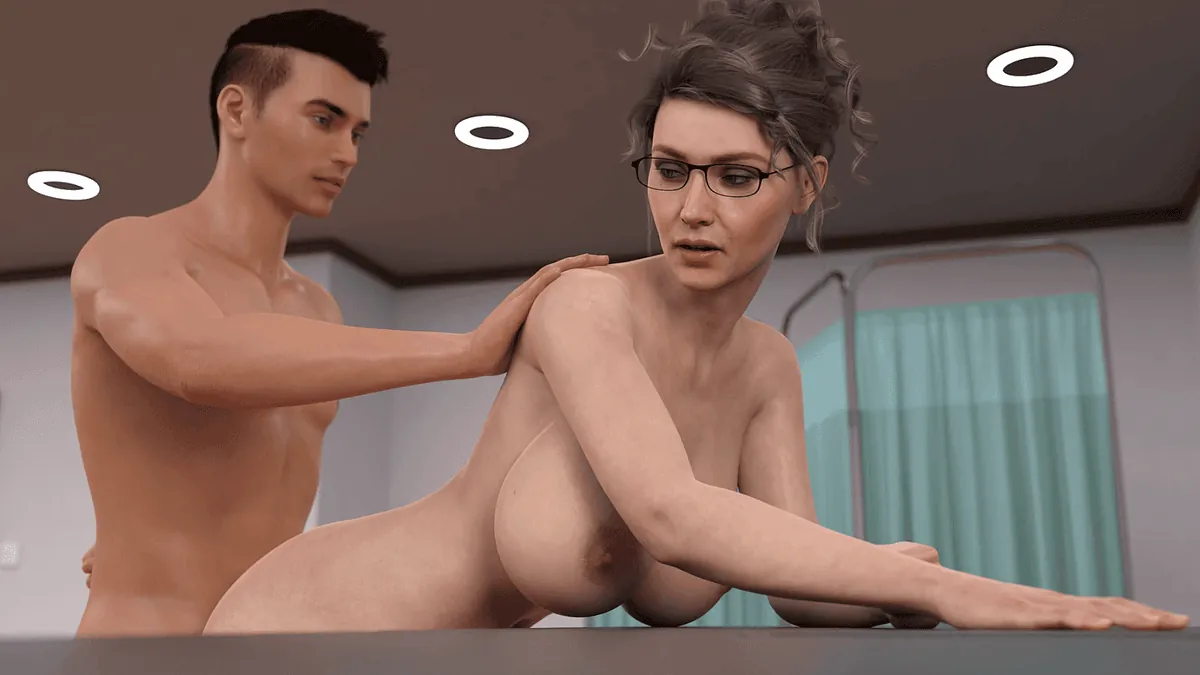
Adverse Effects Screenshots






Adverse Effects review
Discover the hidden downsides of this immersive adult game and how to navigate them wisely
Ever dove into ‘Adverse Effects,’ the gripping porn game that’s got everyone talking, only to wonder about its toll? I’ve been there—late nights blurring into exhaustion, chasing that next thrill. This article cuts through the hype to reveal the adverse effects of ‘Adverse Effects,’ from brain rewiring to wrecked relationships. We’ll explore how this game, with its hyper-realistic scenarios, can hook you deeper than expected, distorting real-life intimacy and focus. Stick around for personal stories, practical tips to mitigate risks, and why awareness is your best play in this seductive digital world.
What Are the Real Adverse Effects of the ‘Adverse Effects’ Porn Game?
I remember the first time I downloaded Adverse Effects. 🤯 It was a late-night impulse, a curiosity click after seeing some buzz online. “Just a different kind of game,” I told myself. Fast forward six weeks, and my reality had shifted. I wasn’t just playing a game; it felt like the game was playing me. The most unnerving sign wasn’t the hours lost, but the persistent, thick brain fog that settled over my daily life. I’d forget conversations mid-sentence, struggle to concentrate on work, and feel a strange detachment from everything. That’s when I knew this adverse effects porn game was doing something more than just providing entertainment. It was time to unpack what was really happening under the hood.
This chapter isn’t about shame; it’s about awareness. Let’s pull back the curtain on the real Adverse Effects game experience and understand the potential costs of this immersive world.
How Does It Rewire Your Brain for Addiction? 🧠⚙️
At its core, the Adverse Effects game is a masterclass in neuroscience hijacking. Unlike standard games, it combines intense visual stimulation, interactive choice, and escalating rewards in a way that can fundamentally alter your brain’s wiring. The primary culprit? Your dopamine system.
Dopamine is our “seek and reward” chemical. It’s released when we anticipate or achieve something pleasurable. Adverse Effects is engineered to trigger massive, predictable dopamine spikes. Every new scene, every unlocked interaction, every “win” within the game’s narrative delivers a potent hit. This is the core mechanism behind Adverse Effects game addiction.
Here’s the dangerous part: dopamine desensitization in Adverse Effects. When your brain is flooded with dopamine too frequently from a single, hyper-stimulating source, it starts to adapt. It either produces less dopamine naturally or reduces the number of receptors available. The result? You need more of the stimulus (longer play sessions, more extreme content within the game) to feel the same level of satisfaction. This is a classic sign of brain changes from Adverse Effects. Your reward threshold gets broken, making everyday pleasures—a good meal, a conversation, a walk outside—feel dull in comparison.
This is how Adverse Effects affects brain function on a fundamental level. It trains your brain to crave the specific, intense stimulation it provides, creating a neural pathway that screams for the game when you’re bored, stressed, or lonely. The “reward system overload” can leave you feeling flat and unmotivated when you’re not playing, which was the source of my own brain fog. You’re not losing intelligence; your brain is simply exhausted from the chemical rollercoaster and struggling to engage with lower-stimulus reality.
Common Psychological Impacts Players Face 😰
The psychological impacts Adverse Effects can have are often the most insidious, creeping into your mindset and emotional world. The game doesn’t stay in the game; its narratives and expectations can leak into your perceptions.
- Anxiety and Mood Swings: The constant dopamine cycle creates a crash. After a long session, many players report feeling irritable, anxious, or down. This isn’t just guilt; it’s a neurochemical comedown. Your mood becomes tied to the game’s virtual rewards.
- Distorted Views on Intimacy: This is a major concern with an adverse effects porn game. The interactions in Adverse Effects are scripted, fantasy-driven, and designed for player gratification without reciprocity, compromise, or real emotional connection. Over time, this can shape unrealistic expectations for human partners and intimacy, reducing the complex beauty of real relationships to a simplified, performance-based transaction.
- Escalation and Desensitization: To combat tolerance, players often seek out more novel or extreme content within the game. This constant search for a bigger “hit” can normalize themes and scenarios that might be disturbing or unhealthy, further warping one’s framework for arousal and connection.
- Erosion of Self-Control: The “just one more scene” mentality is powerful. This repeated erosion of your own boundaries—saying you’ll stop and then not doing it—can chip away at your general sense of willpower and self-trust in other areas of life.
To visualize the contrast, let’s look at how this differs from typical gaming:
| Aspect | Normal Gaming Effects | Adverse Effects Impacts |
|---|---|---|
| Brain Reward | Dopamine from achievement, challenge, story completion. Peaks and valleys are more gradual. | Intense, frequent dopamine spikes from explicit visual and interactive rewards. High risk of dopamine desensitization. |
| Focus | Can improve problem-solving and strategic focus within the game’s context. Often compartmentalized. | Leads to brain fog and difficulty focusing on low-stimulus tasks outside the game due to reward system fatigue. |
| Intimacy | Typically unrelated. Social games may foster teamwork or communication. | Risks creating unrealistic expectations and reducing complex human intimacy to a scripted, consumable fantasy. |
Physical Toll: From Fatigue to Performance Issues 🥱⚕️
The impacts aren’t just in your mind; they manifest in your body. The physical side effects Adverse Effects game sessions can cause are a direct result of its immersive, demanding nature.
- Sleep Disruption: 🛌 Blue light from screens is bad enough, but pairing it with the mental and physiological arousal from the game is a recipe for terrible sleep. Playing before bed guarantees your mind will race, delaying sleep onset and reducing sleep quality, which feeds back into fatigue and brain fog.
- Performance Issues (The PIED Parallel): While Adverse Effects is a game, its effects can mirror a well-documented issue known as Porn-Induced Erectile Dysfunction. The constant, on-demand stimulation with infinite novelty can lead to arousal dependency on that specific type of content. The result can be diminished sensitivity or response to real-life partners, as the neural pathways for arousal become wired exclusively to the hyper-stimulation of the game.
- Digital Eye Strain & Posture Problems: 👁️ Long, fixed-gaze sessions lead to dry eyes, headaches, and blurred vision. The often sedentary, hunched-over play posture can contribute to neck pain, back pain, and repetitive strain injuries.
- General Fatigue and Neglect: When hours are consumed by the game, basic self-care can fall away. Exercise is skipped, meals become an afterthought, and hydration is forgotten. This general physical neglect compounds all the other issues, creating a cycle of low energy that makes engaging in healthier activities even harder.
There is a way out, and the body and mind are remarkably resilient. Take Mark, a player who struggled for over a year:
“Quitting Adverse Effects was the hardest reset I’ve ever done. The first two weeks were a grind—my brain felt bored and frantic. But then, slowly, the fog lifted. I could read a book again. I could have a conversation without my mind drifting to game scenarios. The constant low-grade anxiety faded. I got my focus back, and with it, a sense of control I thought I’d lost for good.”
Navigating Wisely: Actionable Steps for Balance 🧭
If you’re recognizing these patterns in your own experience with the Adverse Effects game, know that change is possible. Here is practical, actionable advice to regain balance:
- Audit Your Play: 🕐 Use app timers or a simple journal. How many hours are you really spending? Awareness is the non-negotiable first step.
- Implement Hard Stops: Set a firm, non-negotiable time limit for any session. Use an alarm. When it goes off, quit immediately, no “finishing this one part.”
- Track Your Mood: 📓 Keep a simple log: “Played for X hours, felt Y afterwards.” Connecting the behavior to the emotional and physical consequence (tired, irritable, anxious) strengthens your intrinsic motivation to change.
- Create Friction: Make it harder to launch the game automatically. Move the icon, put it in a folder, or even delete it and only re-download for a pre-planned, timed session. That pause breaks the impulsive trigger.
- Reinvest in Reality: Your brain needs new sources of dopamine. This is crucial. Schedule and prioritize real-world activities: exercise (even a walk), cooking a good meal, meeting a friend, learning a hands-on skill. It will feel hard at first—that’s your brain recalibrating.
- Seek Connection: Talk about it. Whether with a trusted friend or a professional, breaking the secrecy around Adverse Effects game addiction diminishes its power. You are not alone in this experience.
Understanding the real adverse effects of Adverse Effects is your greatest tool. It’s not about labeling the game as universally “bad,” but about respecting its power and protecting your own brain, psychology, and physical health. You are the player, not the played.
What does a healthy relationship with immersive adult entertainment look like, and where do we draw the line between hobby and harm? 🤔
We’ve journeyed through the shadowy adverse effects of ‘Adverse Effects,’ from brain tweaks and emotional rollercoasters to real-life intimacy struggles. My own brush with its pull taught me that awareness is power—balance the thrill with boundaries, log your sessions, and prioritize real connections. If you’re deep in, consider a break; many rebound stronger. What’s your next move? Share in the comments, try these tips, and game smarter. Your well-being comes first—let’s keep the fun without the fallout.