
Boat
Play Boat
Boat Screenshots


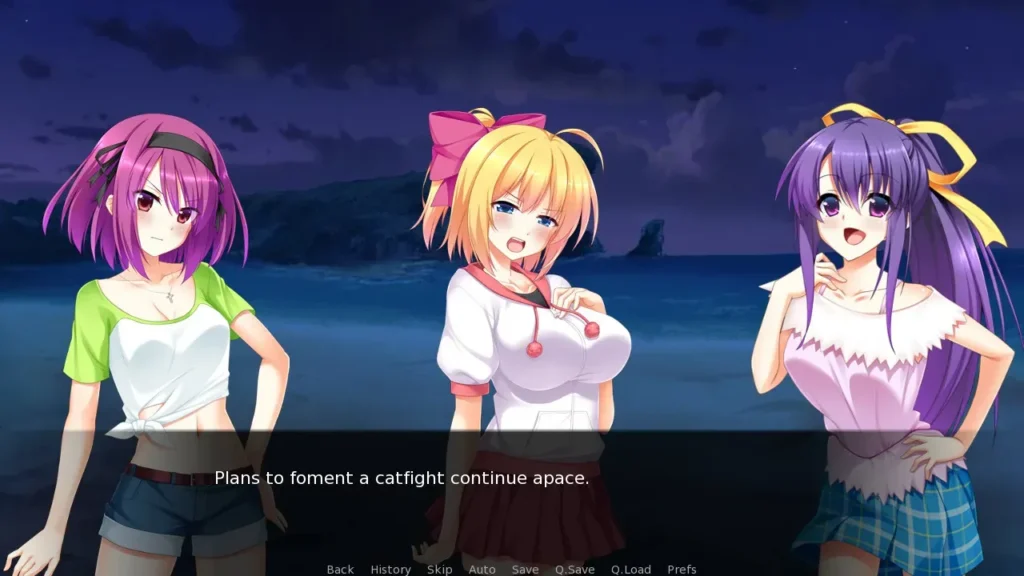
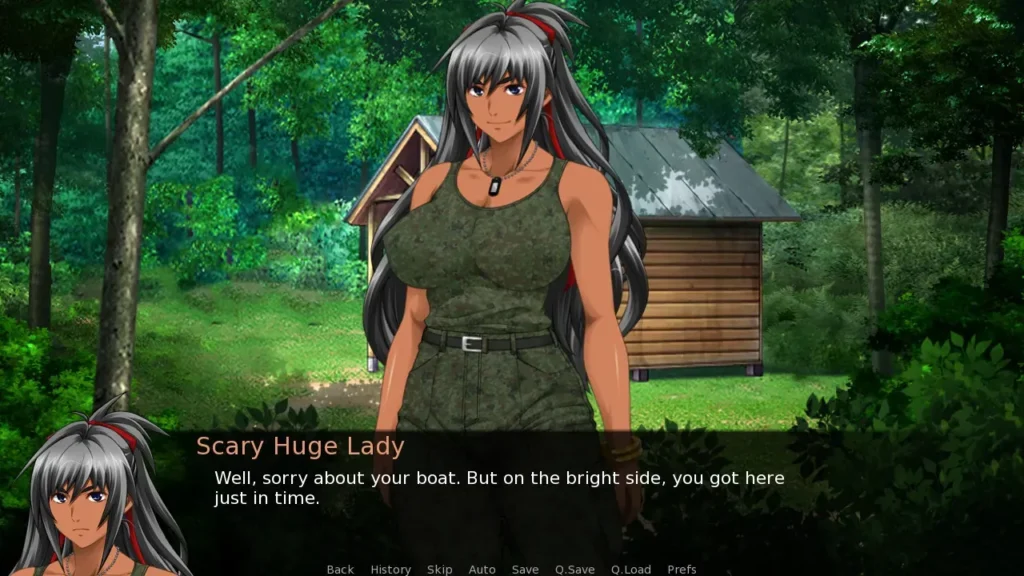





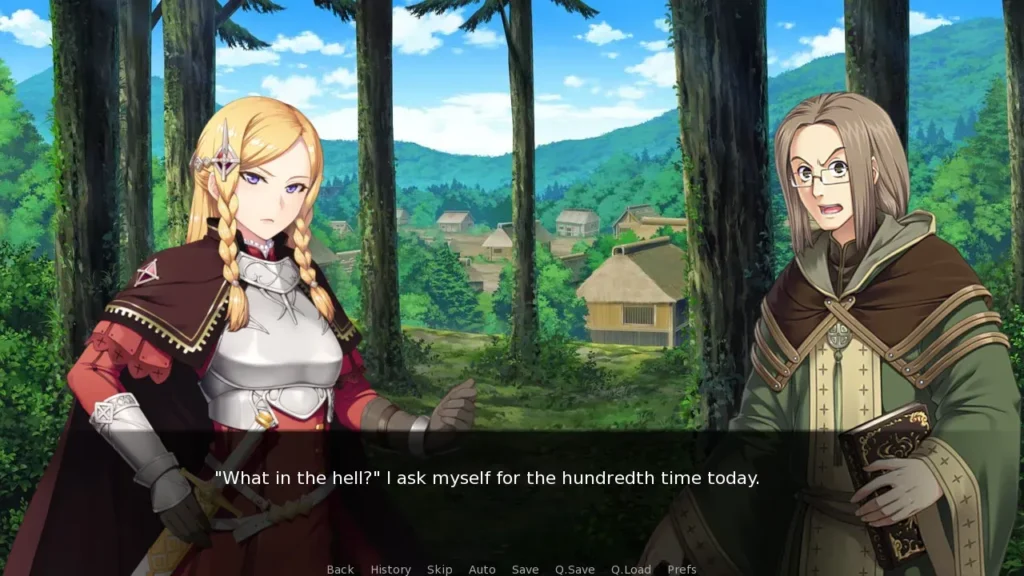


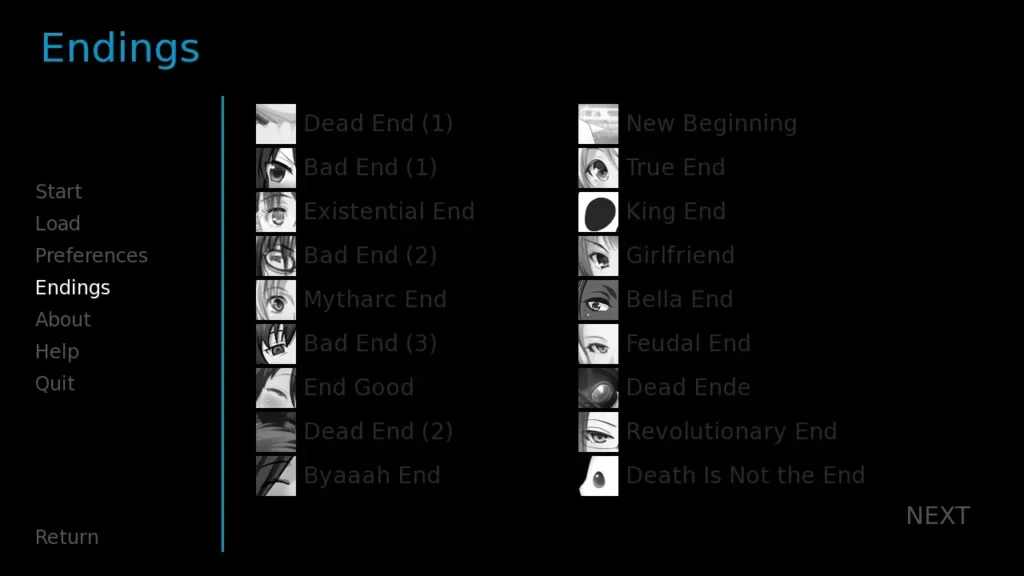
Boat review
Explore branching storylines, tactical gameplay, and character-driven experiences in this indie maritime adventure
Boat stands out as a distinctive indie gaming experience that combines atmospheric storytelling with meaningful player choices. Developed by a solo creator whose personal maritime lifestyle directly influences the game’s design, Boat offers players a richly layered experience where every decision shapes their journey. From tactical combat encounters to intimate character relationships, this game prioritizes player agency within a tightly woven narrative framework. Whether you’re drawn to exploration, strategic gameplay, or emotionally resonant storytelling, Boat delivers a uniquely immersive maritime adventure that rewards curiosity and thoughtful decision-making.
Core Gameplay Mechanics: What Makes Boat Engaging
At its heart, Boat is more than just sailing from point A to point B. It’s a masterfully crafted loop of tension, choice, and consequence that makes just one more voyage an irresistible call. 🧭 You don’t just play this game; you become its captain, feeling the weight of every decision on your shoulders and the joy of every hard-won victory. So, what are the core Boat game mechanics that create this magic? Let’s dive in.
The Addictive Loop: Exploration, Choice, and Reward
The true brilliance of Boat lies in its gameplay loop, a satisfying rhythm that fuels endless “just one more island” sessions. It’s a cycle of risk and reward that feels deeply personal.
It starts with exploration. You set sail from a safe port, your hull freshly repaired and your crew’s spirits high. The map is shrouded in fog, dotted with tantalizing question marks. Is that a hidden cove with rare resources? A merchant vessel in distress? Or perhaps a pirate hideout bristling with cannons? The thrill of the unknown is your primary fuel. I remember early on, chasing a mysterious signal only to find a shipwreck with a journal fragment—a clue that later unlocked an entire side quest chain. These discoveries aren’t just cosmetic; they’re the game’s way of whispering secrets to the curious captain.
This exploration leads directly to meaningful choice. Every island, every encounter, presents a crossroad. Do you spend your limited gold on upgrading your cannons, or on a stockpile of food to keep morale stable for a longer journey? When you spot a merchant ship, do you uphold your honor, offer escort for a reward, or give in to temptation and turn pirate? 🏴☠️ The game doesn’t judge you, but it remembers. These choices ripple outward, affecting which ports welcome you, what quests become available, and how your crew regards you.
Finally, you reap tangible rewards. Successfully navigating a storm, winning a tricky naval engagement, or completing a quest for a faction doesn’t just give you XP. It grants you the resources—gold, rare timber, cannon schematics, crew recruits—to improve your situation concretely. This is where the loop closes and immediately begins anew. That new reinforced hull plating you bought allows you to explore more dangerous waters. The veteran gunner you hired makes you confident enough to take on that menacing pirate frigate you’ve been avoiding. Your power growth is directly tied to your skill, bravery, and smart decision-making, not to mindless repetition. This structure ensures the tactical gameplay is always in service of a greater, player-driven goal.
Tactical Combat and Crew Management Systems
Here’s where Boat separates itself from simpler arcade experiences. Naval combat is a thinking captain’s game, a chess match on the waves where positioning, preparation, and psychology are as important as firepower. Forget just mashing a fire button; victory here is earned.
Before the first cannonball flies, your naval combat strategy begins with the spyglass. 👁️ This essential tool lets you scout enemies, revealing their ship type, armament, and even their crew morale level. Assessing whether an enemy is a well-armed but poorly manned galleon or a swift, spirited cutter dictates your entire approach. This is the first critical decision: engage, evade, or attempt a parley?
Once committed, positioning is king. The classic broadside is powerful, but Boat incentivizes tactical creativity. Maneuvering to attack an enemy’s stern (their rear) often bypasses their strongest armor. Firing on their sails can cripple their mobility, allowing you to control the engagement. Each engagement becomes a dynamic puzzle to solve.
But your ship is only as good as the souls aboard it. This is where crew morale management becomes your most vital, and often most fragile, system. Your crew has a morale meter affected by almost everything: winning combat boosts it, losing shipmates depletes it, running out of rum craters it. A happy crew repairs faster, reloads cannons more swiftly, and fights more fiercely. A despondent crew, however, works slowly, complains constantly, and in extreme cases—if you’ve been a particularly cruel or incompetent captain—can mutiny. I learned this the hard way after pushing my crew through three brutal fights without rest; the ensuing rebellion cost me my ship and my save file. It was a brutal, unforgettable lesson in leadership.
Pro Tip: Always keep an eye on the crew’s mood in the corner of your HUD. A quick stop at a quiet island to let them “go ashore” or a visit to a port tavern can avert disaster. Your crew isn’t just a resource; they’re your character’s lifeline.
To help visualize your naval combat strategy, here’s a breakdown of different tactical approaches:
| Approach | Target | Advantages | Disadvantages | Best Use Case |
|---|---|---|---|---|
| Ship Killer | Hull & Structure | Maximum damage to ship health; fastest way to sink an enemy. | Consumes more cannonballs; enemy may sink with loot. | When outgunned and survival is the only goal, or against enemies with poor hull armor. |
| Mobility Crippler | Sails & Rigging | Slows or immobilizes enemy, giving you control of range and positioning. | Does little direct health damage; prolonged engagement. | When you want to board for maximum loot, or escape from a stronger foe. |
| Boarding Action | Crew Morale (Prep for Boarding) | Claim the enemy ship and all its cargo intact; major morale boost for your crew. | Requires close proximity and winning a crew-vs-crew mini-game; risky. | Against weakened or low-morale foes when you need their supplies or a new vessel. |
🚢 A Step-by-Step Guide to Winning a Naval Engagement:
- Spyglass Assessment: Never engage blindly. Identify enemy strength, weak points (like light rear armor), and crew morale. A low-morale crew breaks faster.
- Opening Volley Strategy: Use your first, most accurate shot strategically. If you need control, target their sails. If you’re confident, aim for their cannons to reduce their return fire.
- Positioning Advantage: Sail in arcs to unleash broadsides, then turn away to reload. Use islands as cover to break line of fire and repair. Always try to stay at an angle where more of your guns can fire than theirs.
- Boarding Actions: Once the enemy is weakened (low health and morale), close in and prepare to board. Winning the boarding action is the most resource-efficient way to win Boat game combat, granting you all their remaining supplies and sometimes their ship.
Mastering this blend of ship handling and crew care is the essence of the game’s deep tactical gameplay. It’s not just about having bigger guns; it’s about being the smarter captain.
Resource Management and Vessel Maintenance
If combat is the storm, then resource management is the constant, grinding pressure of the deep sea. Boat brilliantly frames your ship not just as a vehicle, but as a home and a life-support system for you and your crew. Letting any part of this system fail can end your journey as surely as any pirate broadside.
This is a resource management game in the truest sense. Your key resources are:
* Gold: The universal currency for repairs, supplies, upgrades, and tavern visits.
* Food & Water: Keeps your crew alive and morale from decaying. Running out starts a rapid morale death spiral.
* Cannonballs & Shot: Your teeth. Without them, you’re a floating duck.
* Planks & Sailcloth: For in-combat emergency repairs and full repairs at port.
* Rum: A luxury that provides a strong, temporary boost to crew morale. Use it wisely before a big fight or after a tragic loss.
The genius is in the interconnectivity. Spending all your gold on a new cannon might win you a fight, but if you have no gold left for food, you’ll win the battle only to lose the war to mutiny. You’re constantly juggling short-term survival against long-term prosperity. 🎪
Central to this struggle are the ship maintenance mechanics. Your vessel degrades with use. Sails tear in storms, hulls spring leaks after collisions or combat, and wear-and-tear is constant. You can perform quick “patch jobs” at sea using your supply of planks and sailcloth—a tense mini-game of its own as waves crash over the deck. However, for full restoration, you need the safe harbor of a port and a hefty sum of gold.
This creates the game’s central gameplay loop: Sail out (explore) -> Use resources (combat, storms) -> Acquire new resources (loot, quest rewards) -> Return to port to repair/restock -> Upgrade with leftover resources -> Sail out again, stronger and farther. Your ship’s condition is a persistent record of your journey’s success and hardship.
Personal Insight: Early on, I treated my ship like a disposable tool. I’d take crazy risks, let the hull get to 20% integrity, and only then think about port. This led to a catastrophic sinkage just one island away from safety. Now, I’m paranoid. I repair at 60%. I always keep a reserve of planks. This shift in mindset—from seeing the ship as a game asset to seeing it as my only asset—was when I truly started to succeed. It transforms the Boat game mechanics from systems to interact with into a world to survive within.
Practical Tips for New Captains:
- Balance Your Ledger: After any major resource gain (winning a fight, selling loot), immediately allocate gold to Critical Needs first: Food/Water > Repair Funds > Cannonballs > Upgrades/Rum.
- Morale is a Resource: Schedule port visits before morale drops below 50%. A tavern stop is an investment, not an expense. A high-spirited crew works miracles.
- Know When to Run: Your naval combat strategy must include evasion. If an enemy looks too strong, or your resources are too low, fleeing is a valid and often brilliant tactic. Live to fight another day.
- Learn Enemy Patterns: Different foes have different behaviors. Pirates are aggressive but often poorly equipped. Naval ships are disciplined and heavily armed. Merchants flee. Use this knowledge to plan your approach and choose your battles.
Ultimately, the resource management game and ship maintenance mechanics of Boat force you to be prudent, to plan, and to care. They ground the high-seas adventure in a palpable reality where every plank and every loaf of bread matters. This depth is what makes setting sail feel like a true accomplishment, and returning to port feel like coming home. It’s not just about how to win Boat game combat; it’s about how to sustain a life at sea, and that is where its most captivating stories are born. ⚓
Boat represents a masterclass in indie game design, where personal passion translates into a richly layered gaming experience. The game’s strength lies in its commitment to player agency—every choice genuinely matters, from dialogue selections to tactical combat decisions to resource management. The atmospheric world-building, grounded in the developer’s real maritime lifestyle, creates an intimate connection between player and game that transcends typical gaming experiences. Whether you’re drawn to the intricate branching narrative, the satisfying exploration mechanics, the tactical depth of combat, or the meaningful character relationships, Boat offers something genuinely unique. The game rewards curiosity, thoughtful decision-making, and engagement with its world, making each playthrough a personal journey shaped entirely by your choices. If you’re seeking an indie game that prioritizes narrative depth, player agency, and atmospheric immersion, Boat deserves a place in your collection.