
City of Broken Dreamers
Play City of Broken Dreamers
City of Broken Dreamers Screenshots
















City of Broken Dreamers review
Explore the story, gameplay mechanics, and character relationships in this narrative-driven adventure
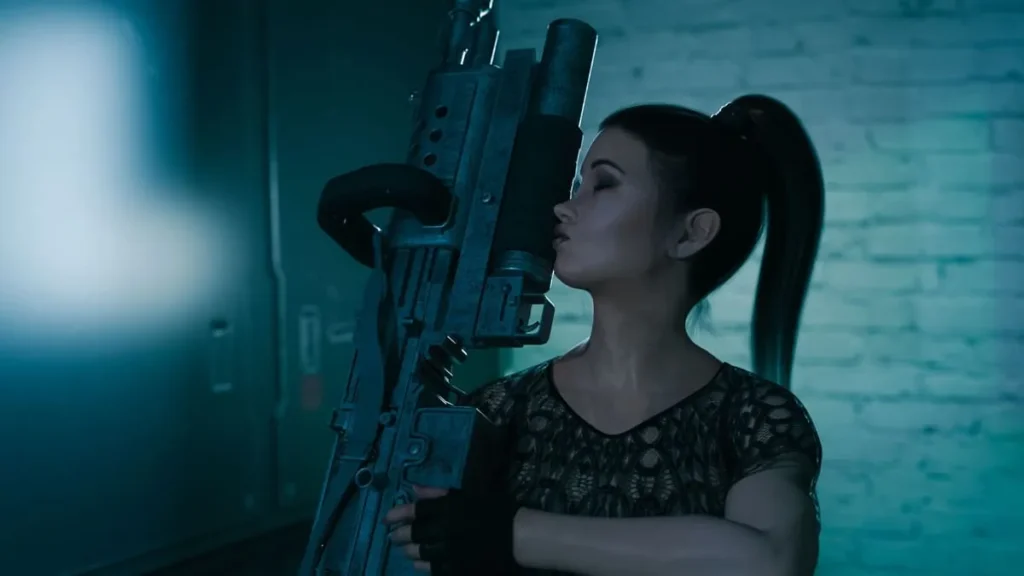
City of Broken Dreamers stands out as a narrative-driven experience that combines compelling storytelling with interactive gameplay mechanics. Players assume the role of Ghost, a skilled bounty hunter navigating a complex world filled with morally ambiguous characters and meaningful choices. The game features a sophisticated relationship system where each character responds differently based on your approach, creating multiple branching storylines. With its focus on emotional depth alongside visual presentation, City of Broken Dreamers has garnered attention for delivering a complete narrative experience. This guide explores the game’s core mechanics, character dynamics, and what makes it a standout title in its genre.
Understanding City of Broken Dreamers Gameplay Mechanics
Diving into City of Broken Dreamers for the first time, I made a classic rookie mistake. 😅 I treated conversations like quick-time events, mashing through dialogue thinking my charm would win the day. Big mistake. I ended up with a character storming off in a huff, a crucial clue locked away, and my so-called “charm” scoring me exactly zero points. It was then I realized: this isn’t just a visual novel; it’s a intricate social simulator where every word holds weight. To truly master this neon-drenched world, you need to understand its beating heart—the deep and reactive City of Broken Dreamers gameplay mechanics.
This guide will strip away the cyberpunk veneer and show you the gears turning underneath. We’re going to break down the systems that make your relationships feel real, your choices matter, and your journey uniquely your own. Forget walking in blind; by the end of this, you’ll be navigating the narrative like a seasoned street samurai. 🎮
Core Character Relationship System
At its core, the relationship system character scores are the lifeblood of your experience. Think of them not as simple “like” meters, but as multidimensional profiles for each key character, especially the women you encounter. Each person has two primary tracked values: their Relationship Score and their Lust Value.
Your Relationship Score is the foundation of trust, respect, and genuine connection. It’s built by being supportive, keeping promises, understanding their backstory, and making choices that align with their moral compass (or lack thereof). A high score opens up deeper, more personal conversations, reveals hidden story beats, and can determine who stands with you—or against you—when the chips are down.
The Lust Value operates on a different, more physical frequency. 🫦 It tracks romantic and physical tension, built through flirtatious dialogue, intimate moments, and sometimes, taking a more bold or dominant approach. Raising this value is key to lust value unlocking scenes, which are often optional vignettes that explore the character’s desires. Crucially, these aren’t just “rewards”; they can offer unique character insights and even minor strategic advantages.
Here’s the kicker: these systems work in tandem, but they are not the same. You can have a sky-high Lust Value with a character who barely trusts you, leading to very specific, often fraught, interactions. Conversely, you can build immense trust without a hint of romance. The game’s genius is in how it lets you define these connections. To help visualize how these levers pull the narrative, here’s a breakdown:
| Character | High Relationship Score Unlocks | High Lust Value Unlocks | Key Preference for Building Score |
|---|---|---|---|
| Ellen | Vulnerable confessions, crucial plot assistance, loyal support in crises. | Intimate, caring scenes that blend emotion with physicality. | Kindness, protectiveness, honoring her independence. |
| Chandra | Strategic alliances, insider information, her formidable skills as an asset. | Passionate, confident encounters; alternative negotiation paths. | Respect for her capability, sharp wit, shared pragmatism. |
| Katie | Deep backstory revelations, unwavering loyalty, a safe haven. | Tender, emotional scenes that reinforce a deep bond. | Empathy, patience, offering stability and genuine care. |
| Victoria | Access to high-society secrets, powerful political leverage. | Sophisticated and discreet encounters of mutual benefit. | Discretion, social grace, understanding the game of power. |
Mastering this dual-track system is your first step toward true narrative control. It’s the essential character interaction guide you wish you had from the start.
Hidden Stats and Decision Impact
Now, let’s talk about what you don’t see on the screen—the hidden gears that can throw a wrench in your best-laid plans. 🛠️ Beyond the visible scores, the game tracks subtle internal states. The most famous (and sometimes frustrating) of these is the hidden anger stat influence.
Certain characters, under specific circumstances, have a hidden meter tracking their irritation or anger toward you. This isn’t about a major betrayal; it can be triggered by small, repeated choices—being overly sarcastic, dismissive of their concerns, or breaking a minor promise. The hidden anger stat influence doesn’t usually flash a warning. Instead, it simmers until a critical story moment, where it explodes in a dialogue option you can’t access, a favor they refuse, or a partnership that fractures unexpectedly. On my first playthrough, I learned this the hard way with a certain techie ally by constantly prioritizing mission efficiency over his pride. When I desperately needed his help later, he gave me the cybernetic cold shoulder.
This is the essence of branching dialogue choices. Your decisions aren’t just A/B/C options for the immediate next line. They are seeds planted in the game’s memory. The game tracks your continuity—your past promises, your displayed personality, your treatment of every character from major allies to minor NPCs. A throwaway comment in Chapter 3 might be referenced accusingly in Chapter 8. This creates an astonishingly organic sense of consequence.
The branching dialogue choices system means there is rarely a single “correct” path. Instead, you are crafting a personality for your protagonist. Are you the honorable mercenary, the cynical pragmatist, or the opportunistic scoundrel? The game remembers, and the world reacts accordingly. This extends to puzzle-solving and exploration; a clue you discovered by being thorough in one chapter might present a new, easier branching dialogue choice to resolve a conflict three chapters later.
Personal Tip: Save often, and in different slots! 🗂️ The joy of City of Broken Dreamers is experimentation. Don’t be afraid to reload and see how a different tone or choice changes the scene. You’ll be amazed at the narrative permutations.
Progression Through Multiple Chapters
Understanding City of Broken Dreamers progression is key to managing your journey. The story unfolds across a lengthy, episodic structure (with the narrative having reached at least Chapter 11 in its development). This isn’t a sprint; it’s a marathon of relationship building and consequence management.
Your City of Broken Dreamers progression is meticulously saved and carried forward. Every score, every hidden stat, every major plot decision is locked in at the end of a chapter and becomes the foundation for the next. This creates a beautifully cumulative effect. A romance you’ve carefully nurtured blooms across multiple episodes, with each intimate scene feeling earned. A rivalry you ignited early on can escalate into a central conflict later.
This long-form City of Broken Dreamers progression rewards patience and consistency. You can’t be a saint in Chapter 1 and a monster in Chapter 7 without the game (and its characters) calling you on that dissonance. The narrative feels cohesive because your actions build a documented history.
So, how do you maximize your impact across this sprawling story? Here is a step-by-step guide I’ve refined through multiple playthroughs:
- Listen More Than You Speak 👂: Exhaust every non-romantic dialogue option with main characters first. You’ll often find key insights into their personality that tell you exactly what choices will raise their relationship system character scores.
- Specialize Your Playthrough 🎯: On your first run, pick one or two characters to focus on. Trying to max out every relationship system character scores and lust value in one go is nearly impossible and can lead to narrative inconsistency. Commit to a role.
- Explore Ruthlessly 🔍: Click on everything. The world is dense with environmental storytelling and hidden clues. Many of these discoveries unlock unique branching dialogue choices that can bypass obstacles or impress characters.
- Balance the Scales ⚖️: Remember the dual-track system. If you want a full connection, you often need to consciously build both trust and passion. Don’t neglect one for the other if you’re aiming for that character’s complete arc.
- Respect the Hidden Currents 🌊: If a character seems short with you, reflect on your recent interactions with them. You might be accidentally inflaming that hidden anger stat. Sometimes, a simple, respectful choice is the most powerful tool you have.
The City of Broken Dreamers gameplay mechanics are what transform it from a simple story into a world you genuinely inhabit. By understanding the delicate dance of scores, the danger of hidden stats, and the weight of branching dialogue choices, you stop being a passenger and become the pilot of your own cyberpunk destiny. Your City of Broken Dreamers progression becomes a unique fingerprint, a story no one else has seen quite the same way. Now get out there, navigate those neon-soaked streets, and remember—in this city of broken dreamers, every connection you make is a light against the dark. 💡
City of Broken Dreamers delivers a compelling experience that successfully balances narrative depth with engaging gameplay mechanics. The sophisticated relationship system, hidden stat mechanics, and branching dialogue create meaningful player agency throughout the game’s multiple chapters. The protagonist’s journey as Ghost, a bounty hunter confronting personal demons, anchors an emotionally resonant story featuring well-developed characters like Katie, Victoria, and Gloria. The game’s visual presentation—from meticulously detailed character design to smooth animations and atmospheric environments—elevates the overall experience beyond typical genre conventions. Community feedback consistently highlights the exceptional storytelling quality, with many players praising it as one of the best narratives in gaming regardless of genre. Whether you’re drawn to the intricate character interactions, the emotional storytelling, or the technical polish, City of Broken Dreamers offers substantial content across multiple chapters that rewards player investment and exploration of different narrative paths.