Demons of the Hearth
Play Demons of the Hearth
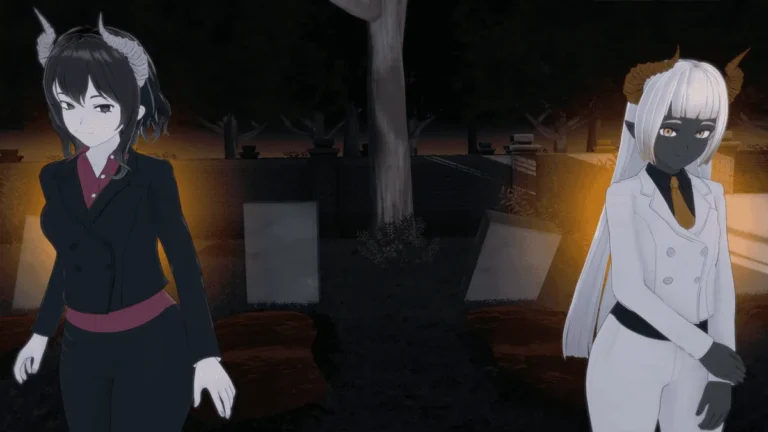
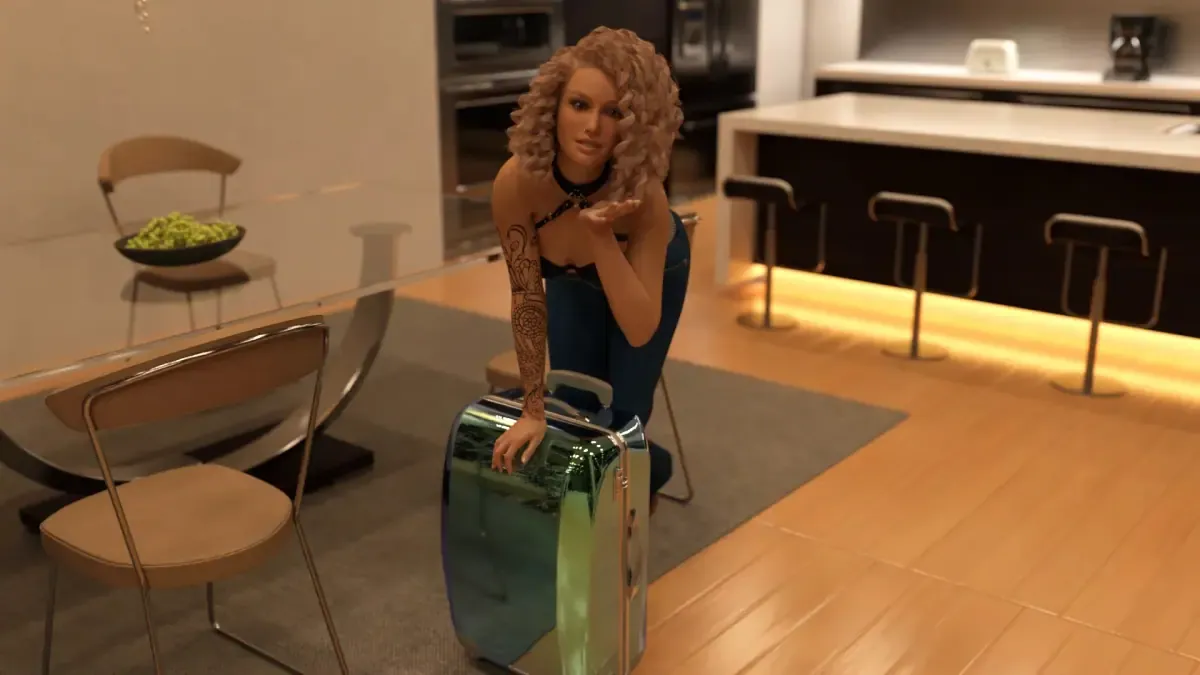
Demons of the Hearth Screenshots
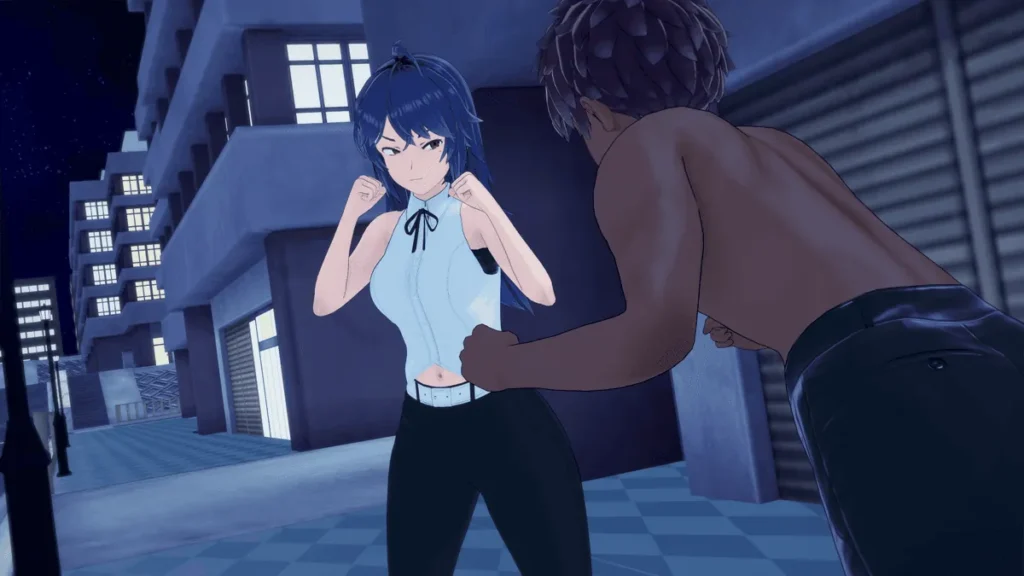
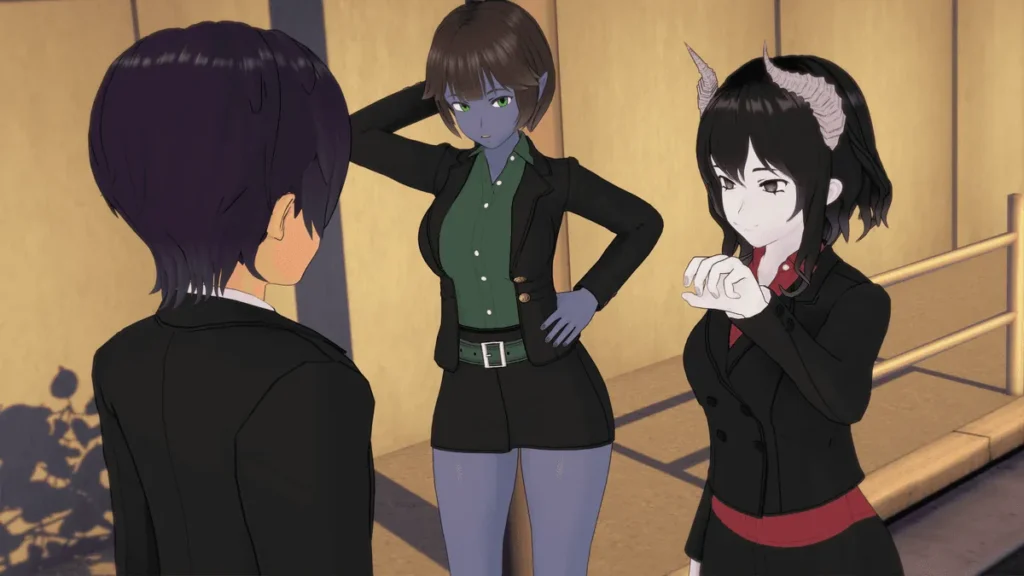
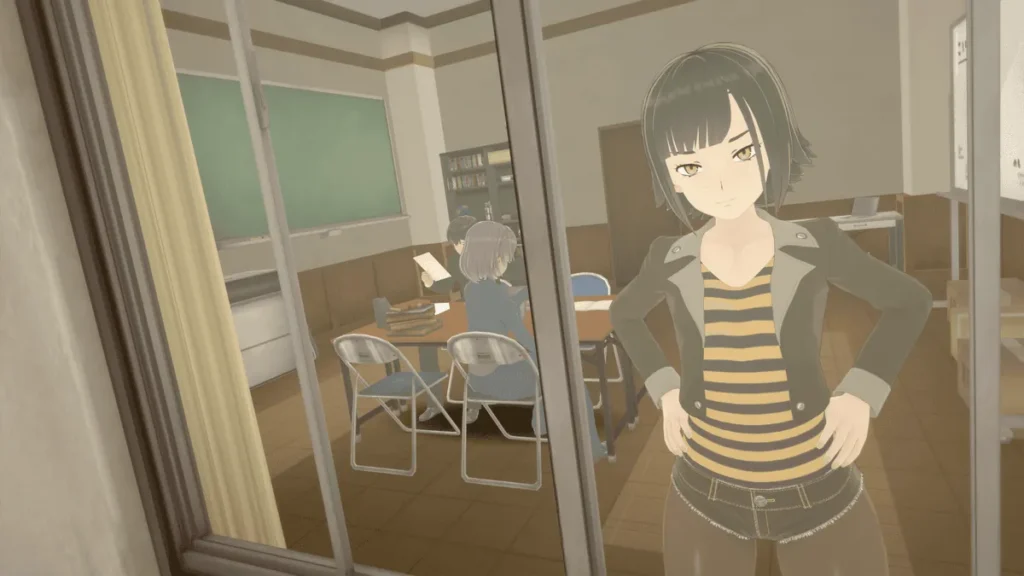
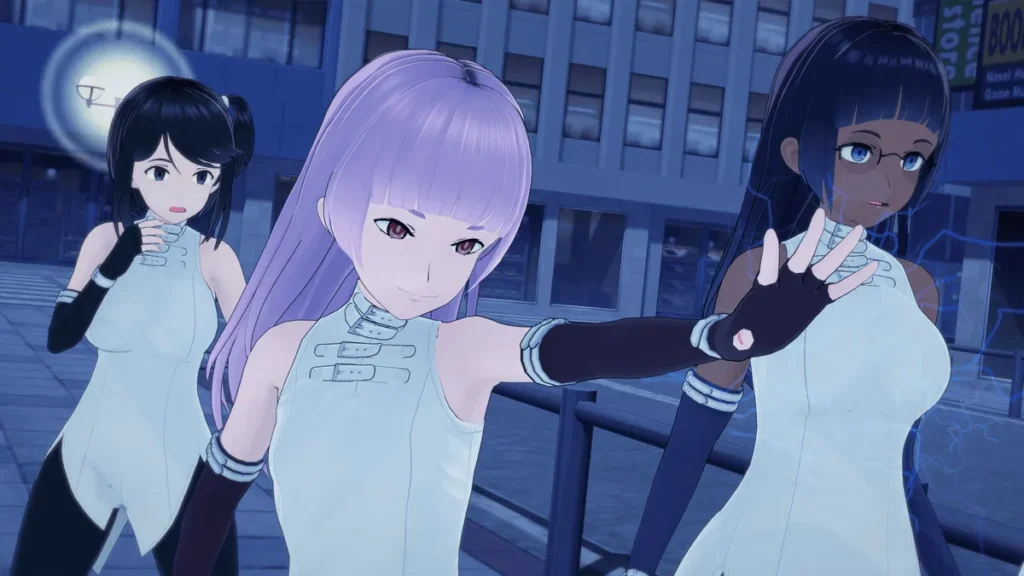
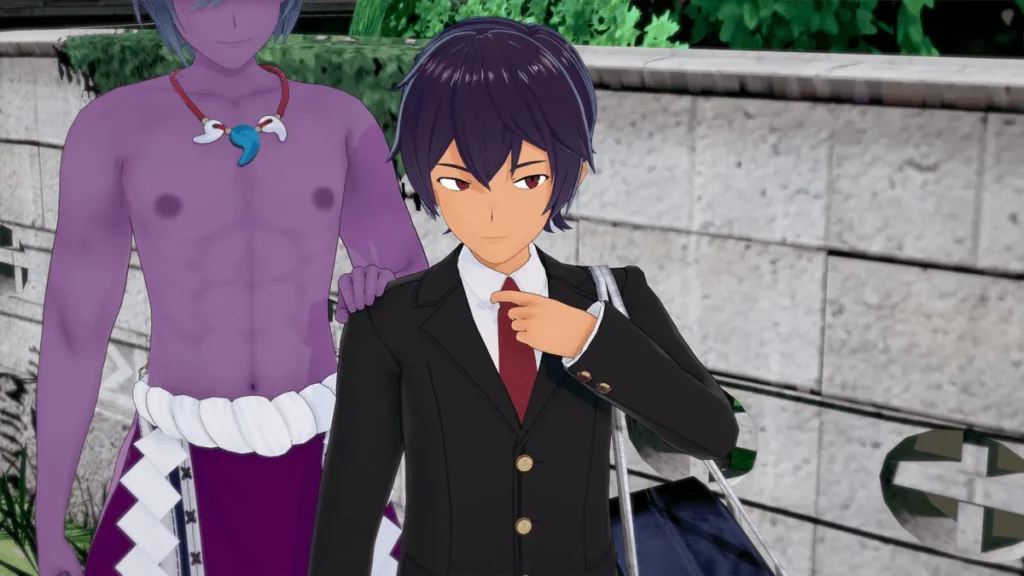
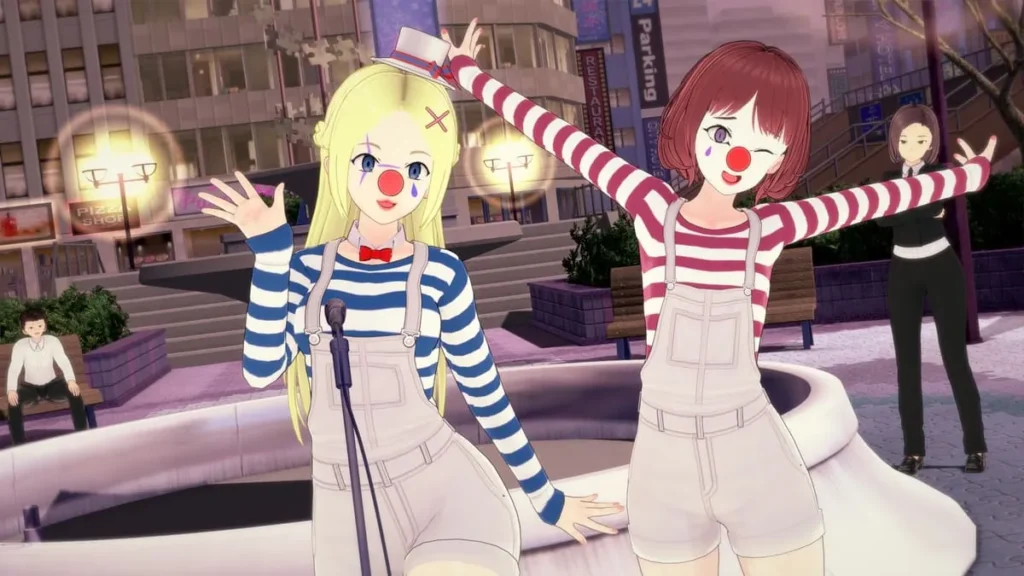
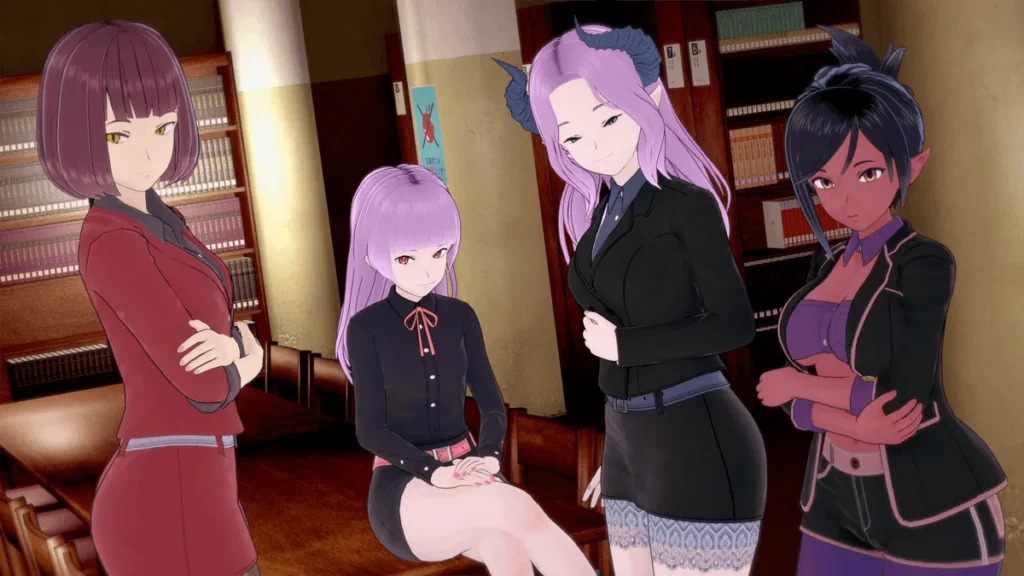
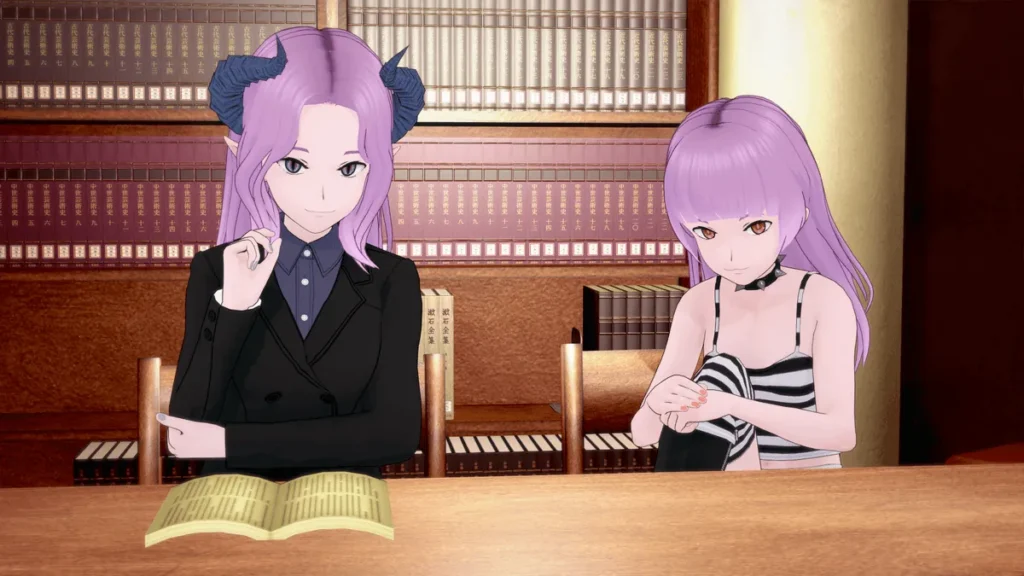
Demons of the Hearth review
Explore the Story, Characters, and Gameplay of Demons of the Hearth
Demons of the Hearth is a captivating visual novel game that blends an intriguing storyline with rich character development and interactive gameplay. This article dives deep into what makes Demons of the Hearth stand out, from its immersive narrative to the unique choices players can make. Whether you’re new to the game or looking to enhance your experience, this guide covers everything you need to know about Demons of the Hearth.
Understanding Demons of the Hearth: Story and Characters
So, you’ve heard the whispers about a game that gets under your skin, one where every choice feels heavy and every character hides a secret. You’re in the right place. Let’s pull up a chair, dim the lights, and delve into the heart of Demons of the Hearth. This isn’t just another visual novel; it’s a masterclass in psychological tension and character-driven drama. 🕯️
To truly appreciate this experience, we need to understand its two core pillars: the haunting story that pulls you in and the deeply flawed, human characters who live within it. Getting a grip on these elements is the key to not just playing, but surviving the narrative currents. Let’s begin.
What is the Core Storyline of Demons of the Hearth?
At its core, the Demons of the Hearth story is a slow-burn thriller set within the oppressive walls of a seemingly ordinary family home. You don’t battle monsters with guns; you battle history, resentment, and unspoken truths with dialogue choices and careful observation. The game masterfully establishes a visual novel thriller atmosphere where the real horror isn’t supernatural—it’s emotional and deeply personal.
You step into the shoes of a protagonist returning to a fractured family gathering after a long absence. A recent, tragic event acts as the catalyst, forcing everyone into the same space. The air is thick with past grievances, polite hostility, and secrets that everyone knows but no one will say aloud. Your goal isn’t to solve a murder in the classic sense, but to unravel the complex web of relationships that led to the current breaking point.
Think of it less like investigating a crime scene and more like navigating a minefield of memory and emotion. One wrong step, and everything can shatter.
What makes the Demons of the Hearth story so compelling is its intimacy. The stakes are familial peace, personal sanity, and the very truth of your shared past. The game brilliantly uses its visual novel format to focus your entire attention on subtext—a flicker of anger in a character’s sprite, a hesitant pause in voiced dialogue, or a carefully worded diary entry. This interactive narrative demands you be a psychologist and a detective, reading between the lines of every conversation. The brilliance lies in how the environment itself tells a story, with changing backgrounds and lighting reflecting the shifting emotional state of the household. 😨
Who Are the Main Characters?
The heart (and demons) of this experience are its people. The Demons of the Hearth characters are not archetypes; they are beautifully rendered, frustrating, and sympathetic studies in how trauma shapes a person. You won’t find pure heroes or villains here, only damaged people trying to protect themselves. Understanding them is the puzzle.
The cast is small but dense, typically centering on an immediate family and perhaps one or two close outsiders. Each person represents a different coping mechanism for the family’s shared pain.
To help you keep track of the emotional landscape, here’s a breakdown of the central figures you’ll be engaging with:
| Character | Key Traits | Role in the Narrative |
|---|---|---|
| The Protagonist (You) | Observant, Burdened, Seeking Truth | Your return acts as the catalyst. Your memories and choices are the lens through which the story is rebuilt or further broken. |
| The Stoic Parent | Authoritative, Guarded, Bearing Silent Guilt | Often the pillar holding up a crumbling structure. Their refusal to address the past is a major source of tension. |
| The Fragile Sibling | Emotional, Volatile, Desperate for Connection | Embodies the raw, unhealed wound of the family. Interactions with them can be the most rewarding and the most perilous. |
| The “Outsider” (e.g., a partner or friend) | Perceptive, Mediating, Holding Objective Truths | Provides an external perspective, often challenging family myths. They can be a crucial ally or an accidental provocateur. |
👤 This tight focus on the Demons of the Hearth main characters means every line of dialogue matters. You’re not just learning about them; you are actively participating in their character development Demons of the Hearth is famous for. A sibling might start closed-off, but through patient, consistent choices, you might see layers of vulnerability and strength you never expected. Conversely, pushing too hard can cause them to shut down permanently. It’s this delicate dance that makes the cast feel breathtakingly real.
How Does Character Interaction Shape the Narrative?
This is where Demons of the Hearth transforms from a story you read into a story you build. The interactive narrative mechanics are deceptively simple—choose what to say, what to ask, where to look—but their repercussions are profound. This is the essence of story choices impact.
Your dialogue selections do far more than unlock new information. They directly alter your relationships, which in turn changes how characters behave, what they reveal, and even the story branches you can access. In my first playthrough, I played the conciliator, always choosing peaceful options. I unlocked a ending of quiet sadness, a fragile truce. On my second, I chose confrontation, demanding answers. The family exploded, revealing harsh truths but destroying any chance of reconciliation. Both paths felt valid and heartbreakingly real. 💔
The character development Demons of the Hearth fosters is entirely in your hands. For example, building trust with the “Fragile Sibling” might lead them to share a crucial, half-remembered memory from childhood that recontextualizes the entire family conflict. Neglecting them might leave that truth buried forever, leaving you with an incomplete picture. This isn’t just about being “nice” or “mean”; it’s about deciding which connections to nurture and which truths you’re willing to uncover.
The game’s structure masterfully balances story progression and character-driven events. You might have a goal like “find the old family photo,” but achieving it requires engaging in a series of tense, personal conversations that feel organic, not like quest checkboxes. The photo isn’t the point; the conversations you have while looking for it are.
Ultimately, the Demons of the Hearth story teaches you that in families, the truth is rarely a single fact. It’s a collection of perspectives, and your version will be uniquely shaped by who you chose to listen to and who you chose to believe. That’s the power and the punishment of this unforgettable visual novel thriller. Your choices don’t just change the ending; they change your understanding of everything that came before. 🗝️
Demons of the Hearth offers a unique blend of storytelling and interactive gameplay that keeps players engaged through its rich characters and evolving narrative. Whether you enjoy deep storylines or character-driven experiences, this game delivers on both fronts. Dive into the world of Demons of the Hearth and discover the emotional and thrilling journey it offers. Ready to explore? Start your adventure today.