
Deviant Anomalies
Play Deviant Anomalies
Deviant Anomalies Screenshots


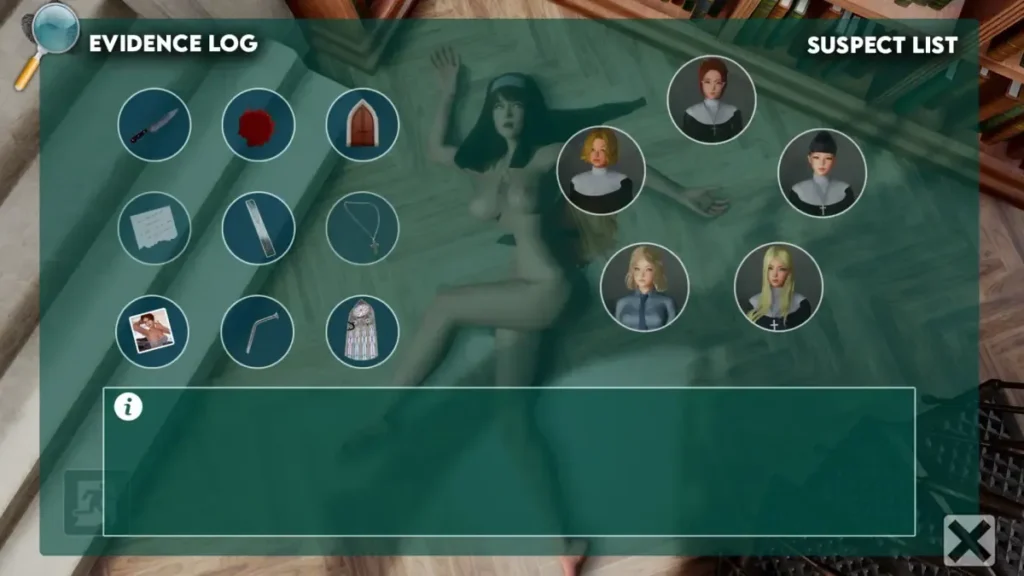





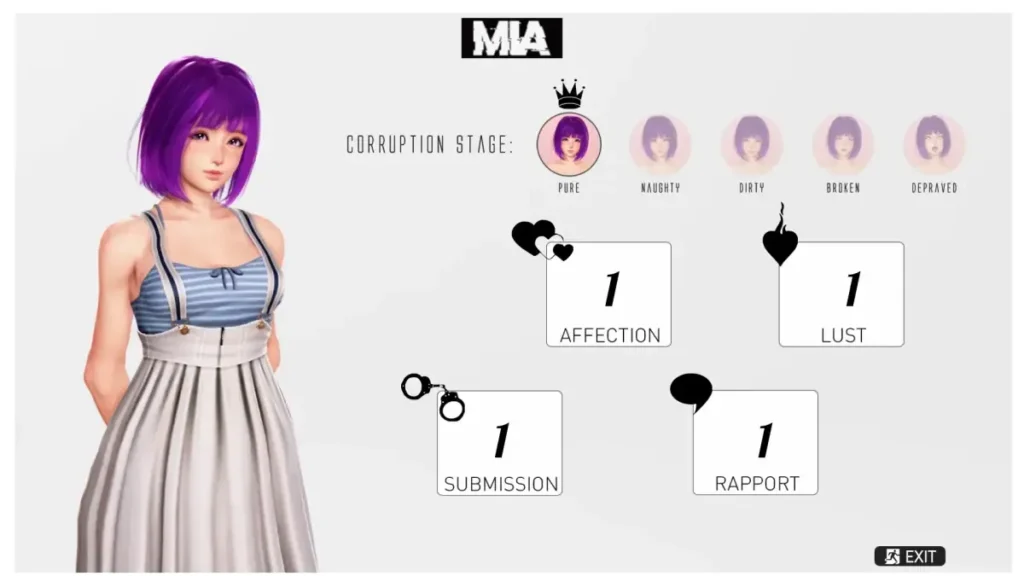
















Deviant Anomalies review
Master every case, character quest, and gameplay mechanic in this supernatural detective adventure
Deviant Anomalies is a narrative-driven detective game built on the Ren’Py engine that combines mystery-solving with character-driven storytelling. Set in the city of Netherhelm after a mysterious snowstorm, players assume the role of a rookie detective with a degree in Criminal Psychology. The game features interconnected cases, character recruitment quests, and branching dialogue options that shape your investigation journey. Whether you’re stuck on a specific case or looking to optimize your character interactions, this comprehensive guide covers everything you need to know about progressing through Deviant Anomalies and unlocking all available content.
Getting Started: Game Basics and Character Development
Welcome to Netherhelm, detective. You’ve just downloaded Deviant Anomalies, and that title screen is already pulling you into its rain-slicked, neon-drenched world of supernatural mysteries. It’s easy to feel a bit overwhelmed at first. I remember my first playthrough—I clicked through the intro, picked traits that sounded cool, and promptly got myself stuck in a dialogue loop I couldn’t charm my way out of by day three. 🕵️♂️💥
Don’t make my mistakes! This Deviant Anomalies game guide is your first case file. We’re going to break down everything you need to start strong, from understanding the unique Ren’Py detective game foundation to making those crucial early choices that shape your entire investigation. Think of this chapter as your basic training manual for navigating the shadows of Netherhelm.
Understanding the Game Engine and Interface
First, let’s talk about the tool powering your detective work. Deviant Anomalies is built on Ren’Py, a visual novel engine. If you’re new to Ren’Py detective game titles, don’t worry—it’s incredibly intuitive. The magic of Ren’Py here isn’t just about clicking through text; it’s about how the developers have transformed it into a dynamic detective’s notebook.
The interface is your command center. You’ll primarily interact with:
* The Dialogue & Narrative Text: This is the main window where the story unfolds, clues are revealed, and characters speak.
* The Textbox Input: Your direct line into the game. This isn’t just for naming your detective! Later, you’ll type in specific clues or codes you’ve discovered, a brilliant Netherhelm detective mechanics touch that makes you feel like a real sleuth.
* The Inventory & Phone Menu: Accessed through on-screen buttons, this is where you manage key items, review case files, and check your ever-important bank balance. 🧳📱
* The Skip/History Buttons: Standard Ren’Py fare, but vital for reviewing a missed clue or fast-forwarding through already-read text on repeat playthroughs.
The beauty of this Deviant Anomalies progression system is its simplicity. You advance day by day, choosing which leads to follow each morning from your case board. The game autosaves at the start of each new day, but I’m a firm believer in manual saving before any major decision or trait check. Trust me, it’s a habit that will save your sanity.
One personal insight? Pay attention to the background visuals and sound design. A flickering streetlamp, a change in the ambient music track—these aren’t just for atmosphere in this Ren’Py detective game. They’re often subtle cues, hinting at whether you’re on the right track or walking into something… anomalous.
Trait Selection and Character Customization
Now, let’s get to the heart of your detective’s identity: character trait selection. This isn’t just a cosmetic choice or a minor stat boost. The traits you pick during character creation are the DNA of your playthrough. They unlock unique dialogue options, open (or slam shut) certain investigative paths, and fundamentally change how you solve each case.
You’ll choose a set of traits that define your skills. Think of them as your professional toolkit. Picking the right combination is the single most important piece of Deviant Anomalies tips for beginners I can give you.
Here’s a breakdown of some core trait categories and their gameplay impact:
| Trait Category | Primary Effect | Best For Players Who… |
|---|---|---|
| Intellectual (e.g., Analytical, Learned) | Unlocks logic-based dialogue, lets you decipher complex clues, and see connections others miss. | Enjoy piecing together evidence and solving puzzles through deduction. |
| Social (e.g., Charismatic, Empathic) | Opens persuasion, intimidation, and charm options. Crucial for getting information from reluctant witnesses. | Prefer talking their way through problems and navigating complex character relationships. |
| Observant (e.g., Perceptive, Vigilant) | Reveals hidden details in environments, notices lies in character mannerisms, and finds clues easily missed. | Love exploring every pixel and spotting the small details that crack a case wide open. |
| Specialized (e.g., Occultist, Technophile) | Grants knowledge of the supernatural or technical systems, allowing unique interactions with anomalies and devices. | Want to engage directly with the weirdest parts of Netherhelm’s mysteries. |
My recommendation for a first playthrough? Balance is key. A mix of one Social trait (like Charismatic) and one Investigative trait (like Perceptive) will give you a wide range of options without boxing you out of too many paths. Going all-in on, say, pure brawn traits might leave you struggling when you need to sweet-talk a informant or analyze a cryptic sigil.
🎯 Personal Anecdote: On my second run, I chose “Empathic” and “Occultist.” Talking down a distraught spirit was an option I never even saw in my first, more logical playthrough. It completely changed the resolution of the “Whispering Tenement” case!
Let’s look at a concrete example of how character trait selection plays out early on:
Scenario: You’re interviewing a nervous shopkeeper who might be hiding evidence.
* With Charismatic: “I understand you’re scared. But helping me now is the safest path for everyone. Let’s work together.” (Opens a cooperative path).
* With Intimidating: “The thing that did this isn’t done. It could come back. For you. Talk to me now.” (Forces information through fear).
* With Analytical: “Your inventory logs show a discrepancy the night of the incident. Explain that before I make it official.” (Uses hard evidence to pressure).
* With NO relevant trait: You’re stuck with generic options that may not break through their lies.
See how different your detective feels already? Your traits are your voice.
Before you dive in, here’s your step-by-step initial setup checklist:
1. Name Your Detective: Choose something you’ll enjoy seeing for hours!
2. Read Trait Descriptions Carefully: Don’t just skim the names. Understand what each does.
3. Plan a Synergy: Pick 2-3 traits that complement each other (e.g., Perceptive + Analytical for a clue monster).
4. Save a Custom Save File: Right after creation, save this as “Trait Test Start.” This lets you backtrack if you regret your choices after an hour.
5. Embrace the Role: Once you start playing, make choices as that detective. It’s the best way to experience the branching narrative.
Managing Resources and Progression
Alright, detective, you’ve got your identity. Now you need to pay the bills and manage your time. Welcome to the crucial, often tense world of resource management gameplay in Deviant Anomalies. This isn’t a game where clues fall into your lap; you have to hustle for them, and that requires Deviant Anomalies progression savvy.
Your two most critical resources are Money and Time (Days).
💰 The Grind: Earning Cash in Netherhelm
Let’s be blunt: you will always need more money. New gear, information from sketchy contacts, bailing your assistant out of trouble—it all costs. The core loop for funding your supernatural investigations happens via your in-room computer.
🖥️ This is non-negotiable Deviant Anomalies tips for beginners: Start every in-game morning by checking your PC for new “Online Casework.” These are small, text-based mini-cases that pay upon completion. They’re your primary income. I made the mistake of ignoring them for the first few days on my initial run and hit a financial wall that stalled my progress on the main story. Grind these consistently!
⏳ The Clock: Day-by-Day Progression
The game structures your investigation in days. Each morning, you choose which lead or personal quest to pursue. This is where Deviant Anomalies progression truly shines. You might have a main case pulling you one way, a character’s personal quest offering new abilities, and a ticking clock on a separate mystery.
Here’s my strategy for managing the daily flow:
1. Morning Ritual: Check PC for cash jobs. Complete at least one.
2. Priority Lead: Choose one major story beat to advance. Stick to it for that day.
3. Evening Flexibility: Some days end after the main event. Others give you an “evening” slot—perfect for a social meet-up to boost a relationship or follow a minor hunch.
4. Parallel Tracking: Don’t be afraid to have 2-3 active threads. The game’s journal is excellent for tracking them. Sometimes progress on one case is gated by waiting for a lab result or a contact’s callback, which is the perfect time to switch gears.
🔧 Avoiding the Progression Wall
The most common pitfall is running out of money for a critical story action. The second is mismanaging time and missing a hidden event trigger. To avoid this:
* Always Keep a Cash Buffer. Don’t spend every last credit on a fancy new gadget. You might need 100 credits for a bribe tomorrow.
* Talk to Everyone, Again. Characters often have new dialogue after main events, and sometimes they offer side jobs that pay better than the PC work.
* Explore Your Room and Office. New interactive elements sometimes appear, offering free lore or even small items.
The current version (v0.9.5) has smoothed out some of the earlier economy roughness, but the resource management gameplay is still intentionally tight. It’s designed to make you feel the pressure of a freelancer in a corrupt, expensive city. Every credit spent is a choice, and every day is a trade-off. This intricate dance of time and money is what makes the Netherhelm detective mechanics so satisfyingly immersive.
By mastering these basics—navigating the Ren’Py interface with purpose, building a detective with intentional character trait selection, and managing your Deviant Anomalies progression wisely—you’re not just playing a game. You’re learning to survive in Netherhelm. You’re ready to move from a beginner to a competent investigator. In the next chapter, we’ll start digging into the specifics of the early cases and how to build your reputation. Now, get out there. The city’s anomalies aren’t going to solve themselves. 🌃🔍
Deviant Anomalies offers a rich blend of detective work and character-driven storytelling that rewards exploration and careful decision-making. By understanding the game’s core mechanics, mastering each investigation case, and systematically working through character quests, you’ll unlock the full depth of what this supernatural mystery has to offer. The game’s branching narrative means your choices genuinely matter, creating a unique experience for each playthrough. Whether you’re pursuing specific character relationships or solving every case, use this guide to navigate Netherhelm’s mysteries with confidence. The latest version continues to expand the game’s content, so revisit your save files to discover new interactions and storylines as updates release.