Gates Motel
Play Gates Motel
Gates Motel Screenshots






Gates Motel review
Master the mystery, puzzles, and branching narrative of this immersive interactive experience
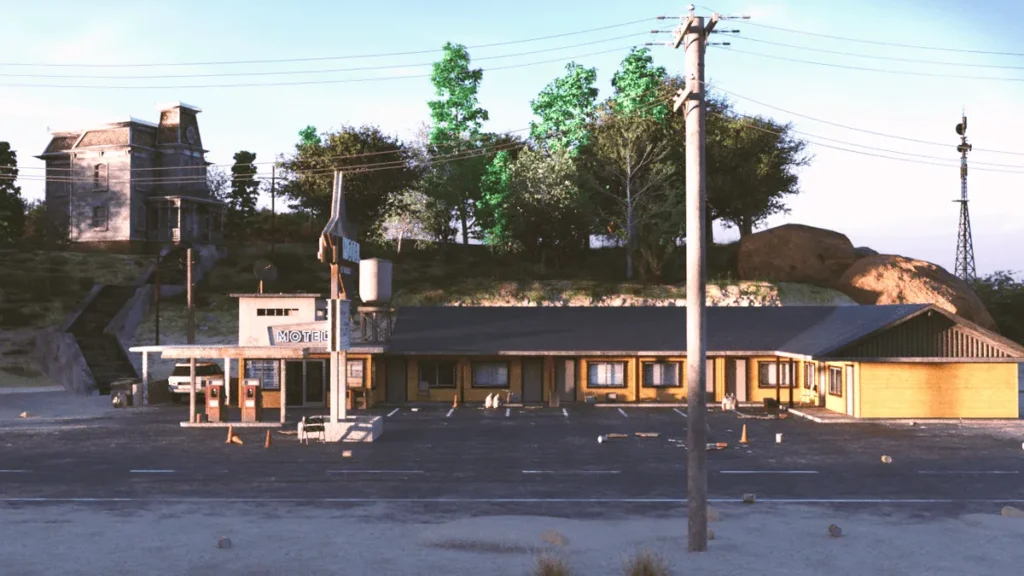
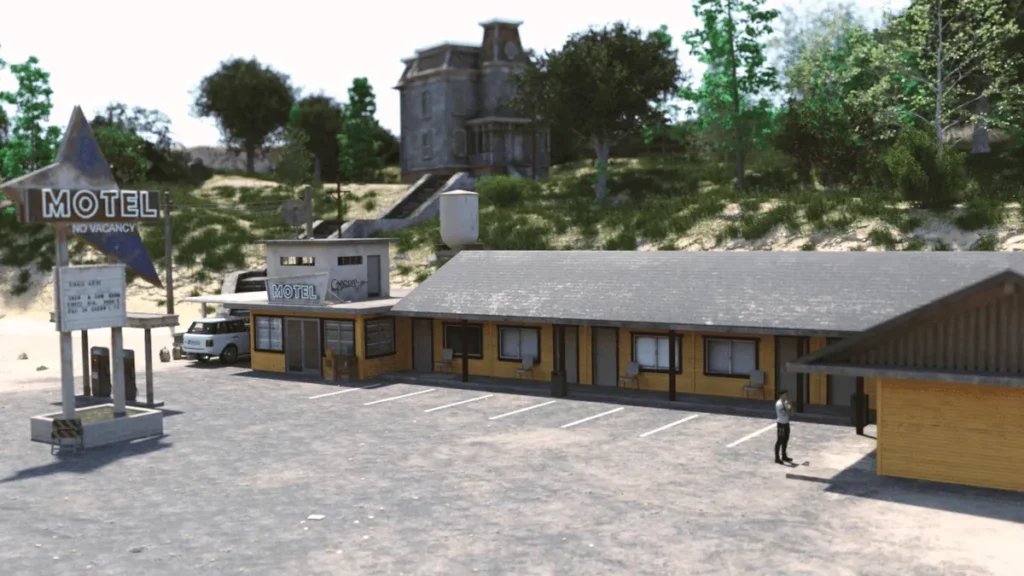
Gates Motel stands out as a captivating interactive game that blends atmospheric storytelling with challenging puzzle-solving mechanics. This immersive experience drops you into a mysterious, seemingly abandoned motel on a stormy night, where you must uncover the truth behind its sudden closure and the disappearance of its guests. Whether you’re drawn to narrative-driven games, environmental puzzles, or branching storylines where your choices matter, Gates Motel delivers a unique gaming experience that rewards careful exploration and critical thinking. This comprehensive guide walks you through everything you need to know about the game’s core systems, story elements, and strategic approaches to progression.
Understanding Gates Motel: Core Gameplay Mechanics & Features
So, you’ve stepped into the rain-slicked parking lot of the Gates Motel. The neon sign flickers, casting long shadows, and you can almost smell the damp carpet and stale coffee from the manager’s office. What now? If you’re expecting a linear trek from point A to point B, you’re in for a surprise. 🚗 The heart of Gates Motel gameplay mechanics isn’t about action; it’s about attention, thought, and the weight of your choices. This isn’t a game you simply play—it’s a mystery you inhabit.
Welcome to the core of the experience. This chapter is your key to understanding the intricate systems that make this first-person adventure game so uniquely compelling. We’re going to break down exactly how you interact with this world, from picking up a seemingly insignificant matchbook to making a choice that irrevocably alters someone’s fate.
What Makes Gates Motel’s Gameplay Unique?
At its core, Gates Motel rejects modern gaming hand-holding. You won’t find glowing waypoints or a quest log spelling out your next five steps. Instead, it builds its identity on three pillars: immersive simulation, player-driven deduction, and consequential autonomy. It feels less like a game and more like you’ve been dropped into the middle of a strange, personal film where you’re both the protagonist and the director. 🎬
I remember my first hour with the game. I spent twenty minutes just in Room 107, not because I was stuck, but because I was absorbed. I read the names scribbled in the phone book, noted the specific brand of whiskey left on the dresser, and studied the pattern of water stains on the ceiling. The game rewarded that curiosity not with a pop-up achievement, but with a quiet, later realization: that whiskey brand matched the one mentioned in a ledger in the office, connecting a guest to a specific night. That “aha!” moment was entirely my own creation. That’s the magic.
The interactive game exploration here is built on a foundation of pure environmental storytelling. The time of day and weather aren’t just for show—they are active gameplay mechanics. A room shrouded in midday shadows might hide a clue on the wall that becomes visible only during the golden hour of sunset. A torrential downpour might make the exterior storage shed inaccessible until the storm passes, forcing you to investigate interior spaces first. The world operates on its own logic, and you must adapt to it.
Exploration, Inventory, and Environmental Puzzle Systems
These three systems—exploration, inventory, and puzzles—are so tightly woven together that they function as a single, elegant machine. You can’t master one without understanding the others.
The Art of Looking: Interactive Game Exploration
Movement in Gates Motel is deliberate. You’ll navigate the motel’s labyrinthine corridors, the overgrown pool area, and the cluttered back office with a sense of tangible space. The game uses a “focus” mechanic—leaning in to examine objects closely—but it’s not a magical highlight tool. You have to actually look. A framed photograph isn’t just a set-dressing; you need to focus on it, notice who is cropped out, what’s written on a sign in the background, or the date stamped on the corner.
This is where environmental puzzle solving begins. A puzzle isn’t confined to a single screen. The clue might be a symbol drawn on a bathroom mirror in Room 112, but the solution requires you to find where that symbol appears as a rust pattern on the old boiler in the basement. The game trusts you to make these connections across time and space. My practical advice? Take mental snapshots, or even real notes. The satisfaction comes from piecing together a narrative from fragments you’ve collected yourself.
Your Pocket of Clues: The Inventory Management System
Your inventory isn’t a bottomless bag. It’s a carefully curated collection of tangible items that feel real. You don’t just “acquire a key”; you pick up a heavy, brass keychain from the 1970s, attached to a faded fob from a long-closed diner. The inventory management system is all about physicality and combination.
- Examine Everything: Every item can be rotated and inspected. The back of a photograph might have a hastily written phone number. A torn matchbook cover might reveal part of an address when held up to the light in-game.
- Logical Combination: This isn’t about randomly clicking items together. It’s applied logic. You find a sealed envelope and a letter opener. You discover a broken radio and a spare vacuum tube from a guest’s drawer. The game respects your intelligence, asking “does this make sense?” rather than “does this create the correct plot item?”
- Space Matters: You have limited grid space, forcing interesting choices. Do you carry the heavy wrench on the chance you might need it, or leave it for the notepad filled with cryptic scribbles? This limitation makes every item feel significant.
Cracking the Code: Environmental Puzzle Solving
The puzzles are the locks on the doors of the motel’s secrets. They are never arbitrary. They exist because of the story. A former guest was obsessed with astronomy, so their locked box requires aligning constellations. The reclusive manager loved old film, so accessing his private stash involves threading a film reel based on clues from movie posters in the lobby.
The puzzle-solving strategy guide mentality you need to adopt is one of patience and observation. > Pro Tip: If you’re stuck, leave. Go to a completely different part of the motel. The answer you need is almost always embedded in another piece of the environment or a note you haven’t read yet. The puzzle isn’t in your way—it is the way.
To see how these core Gates Motel gameplay mechanics work in harmony, let’s look at them side-by-side:
| Mechanic Name | Description | Player Impact |
|---|---|---|
| Interactive Game Exploration | First-person navigation through a dynamic, time- and weather-affected environment where every object can be examined for narrative clues. | Drives discovery, builds atmosphere, and provides the raw materials (clues, context) for all other systems. |
| Inventory Management System | A grid-based, physical system for collecting, combining, and using items found in the world based on realistic logic. | Creates meaningful player choice, enables puzzle solutions, and deepens immersion through tangible interaction. |
| Environmental Puzzle Solving | Non-isolated puzzles that require correlating information and items from different locations to progress the story logically. | Provides the primary challenge and reward loop, turning exploration into active deduction and story progression. |
| Branching Narrative Choices | Dialogues and actions with permanent consequences that alter character relationships, story paths, and available outcomes. | Transforms the player from an observer into the author of their own unique mystery, ensuring high replayability. |
How Decision-Making Shapes Your Gates Motel Experience
This is where Gates Motel truly separates itself from traditional adventures. Your role isn’t just to solve the mystery, but to define it through your actions and words. The branching narrative choices you make are not illusionary; they are architectural, changing the very layout of the story you experience. 💬
The game presents decisions that feel morally and personally nuanced. You’re not choosing between a “good” or “evil” icon. You’re deciding whom to believe based on incomplete information, whether to offer comfort or demand answers, and if you should protect a secret or expose it.
Concrete Example: The Case of Eli, the Night Manager
Midway through your investigation, you’ll likely meet Eli, the weary, seemingly helpful night manager. He claims he’s trying to protect the motel’s legacy and offers you a key to a restricted area, asking you to discreetly retrieve an old ledger for him. He says it’s for “accounting.”
- Choice A: Trust Eli. You take his key. You find the ledger, but you also discover personal letters that suggest Eli is deeply connected to the motel’s central tragedy in a way he hasn’t admitted. Returning the ledger to him without mentioning the letters strengthens his trust. He later becomes an ally, giving you crucial information to bypass a dangerous situation and unlocking a path where a hidden, sympathetic resolution to his story is possible.
- Choice B: Distrust Eli. You refuse the key or take it but confront him with your growing suspicions. This fractures the relationship. He becomes obstructive, changing door codes and leaving misleading notes. Your path forward becomes harder, requiring you to find alternative, riskier ways into locked areas. However, this path forces you to uncover the truth about Eli through other characters and hidden evidence, potentially leading to a more confrontational, but legally just, conclusion for his storyline.
These aren’t just different endings; they are different middles. The characters you meet, the areas you access, and the emotional tone of your investigation diverge significantly. This system of branching narrative choices ensures that your Gates Motel is uniquely yours.
The Interconnected Whole
The genius of Gates Motel gameplay mechanics is how these systems feed each other. Your interactive game exploration fills your inventory management system with items and clues. Those clues are used for environmental puzzle solving, which unlocks new areas and information. That new information presents you with deeper branching narrative choices, which then open up or close off paths for further exploration. It’s a beautiful, self-sustaining loop of discovery.
Mastering this isn’t about quick reflexes; it’s about cultivating a detective’ mindset. Observe meticulously, think logically about your items, and understand that every word you speak has weight. This first-person adventure game offers a rare kind of satisfaction: the feeling that you didn’t just reach the solution, you built it yourself, piece by piece, choice by choice. Now, with these core mechanics in hand, you’re ready to walk through the front office door and truly begin your stay at the Gates Motel. The mystery awaits. 🔑
Gates Motel delivers a masterclass in interactive storytelling by seamlessly integrating exploration, puzzle-solving, inventory management, and meaningful decision-making into a cohesive experience. The game’s strength lies in its attention to detail—from cryptic notes and hidden photographs to environmental clues that reward thorough investigation. What truly sets Gates Motel apart is how your choices genuinely impact the narrative, ensuring that no two playthroughs feel identical. Whether you’re uncovering the motel’s dark secrets through careful exploration or solving complex puzzles that require combining clues from across the property, every element serves the slow-burn suspense that defines the experience. If you’re seeking a game that respects your intelligence, rewards curiosity, and offers meaningful consequences for your decisions, Gates Motel is an essential experience that will keep you engaged from the stormy night you arrive until the final revelation.