Luna’s Fall from Grace
Play Luna’s Fall from Grace
Luna’s Fall from Grace review
Dive into the Thrilling Choices and Secrets of This Adult Visual Novel
Imagine stepping into the shoes of Luna, a privileged woman whose world crumbles after her father’s shady dealings catch up with her. Luna’s Fall from Grace pulls you into a gripping visual novel packed with intense choices, steamy encounters, and a narrative that twists based on your decisions. I’ve lost count of the nights I spent navigating her descent into a criminal underworld, balancing survival with temptation. This guide uncovers everything from the core plot to pro tips for the best paths—perfect if you’re new or replaying for hidden endings. Let’s explore why this Ren’Py gem keeps players hooked.
What Makes Luna’s Fall from Grace So Addictive?
I still remember the first time I loaded up Luna’s Fall from Grace and was thrown headfirst into Luna’s world. 😳 I was expecting a bit of stylish drama, sure, but I wasn’t prepared for the gut-punch of her backstory. Here was this sharp, capable woman, and her entire life was just… obliterated. Not by her own mistakes, but by the criminal legacy of a father she barely knew. One moment she had a future, the next she was in hiding, stripped of her identity, and utterly alone. That immediate, powerful hook of injustice and vulnerability? That’s the first secret ingredient in this game’s addictive formula. You don’t just play Luna; you feel an urgent need to protect her, or maybe to see what she’s truly capable of becoming. 🎭
This Luna’s Fall from Grace story isn’t about a passive victim, though. It’s about the explosive, often terrifying, reaction that follows that initial catalyst. And understanding that journey is key to understanding what is Luna’s Fall from Grace at its core.
Unpacking the Core Story and Plot Twists
At its heart, the Luna’s Fall from Grace plot is a gripping thriller about survival and reinvention in a modern, ruthless gangland setting. 💥 With a price on her head and dangerous factions on her trail, Luna must vanish into the city’s underbelly. But survival here isn’t free. You quickly learn that safe houses cost money, new identities require favors, and peace of mind is the most expensive luxury of all.
This is where the brilliant pressure-cooker design of the visual novel Luna’s Fall from Grace shines. Early financial strains force you to make deals with dubious characters. A simple job to get rent money can spiral into a moral quagmire. Is it worth intimidating a shopkeeper for a quick payout? Should you deliver a mysterious, unmarked package? The game masterfully escalates these temptations, blurring the line between what Luna has to do and what she might want to do. Each choice feels like a tiny chip away at the person she was, and the foundation for who she will become.
The narrative is built on several powerful, interwoven themes that fuel its addictive nature:
- Temptation: The constant lure of easy money, power, and sensation as an escape from fear.
- Ambition: The drive to not just survive, but to build something new from the ashes—be it a empire, a reputation, or a new self.
- Desire: Explored in both emotional and physical dimensions, questioning what Luna craves in her newfound freedom.
- Corruption: The subtle (or not-so-subtle) journey of how “doing bad things for good reasons” can reshape your soul.
- Survival Choices: The brutal, often lose-lose decisions that define life on the run.
Without spoiling the brilliant twists, the Luna’s Fall from Grace narrative constantly upends your expectations. Allies reveal hidden agendas. Seemingly small choices from hours earlier come roaring back with massive consequences. The game plays with your trust, making you second-guess every friendly face and every offer of help. This isn’t a linear tale; it’s a web of intrigue where every thread you pull can tighten a noose or weave a safety net.
How Player Choices Shape Luna’s Destiny
This is where Luna’s Fall from Grace transitions from a great story to an unforgettable experience. The phrase “player choice” gets thrown around a lot, but here, it’s the entire engine of the game. You aren’t navigating a fixed Luna’s Fall from Grace plot; you are authoring a unique Luna’s Fall from Grace story every single time.
From the earliest moments, you define Luna’s emerging persona in this dangerous new world. The game provides a canvas, and your choices are the brushstrokes. Will she be submissive, using perceived weakness as a tool to manipulate and survive? Will she become a cold, pragmatic badass, meeting violence with greater violence? Or will she cling to tattered shreds of her old morality, trying to be a hero in a world that punishes heroes? These aren’t just dialogue options; they are behavioral commitments that open or lock entire story branches.
“Every decision felt like it was reshaping Luna’s soul. Choosing a cruel dialog option didn’t just change a scene; it made me feel different, like I was crossing a line I couldn’t uncross.” — A player’s reflection on the choice system.
The mechanics are deceptively simple but profoundly deep. You’re presented with static, beautifully rendered images and text, but the weight of the choice is immense. Will you betray a contact to secure a powerful ally? Are you willing to sacrifice someone’s safety for your own gain? The game tracks your moral (or immoral) compass with terrifying precision, steering you toward one of its several stunning Luna’s Fall from Grace endings.
This is the crux of the replay value. My first playthrough, I tried to be “good,” and it led to a desperate, bittersweet conclusion. My second time, I embraced hedonism and power, unlocking the “Unshackled” ending—a finale that was liberating, horrifying, and utterly compelling in its portrayal of total corruption. 🌗 Each path reveals new scenes, character interactions, and truths about the world, making multiple playthroughs not a chore, but a necessity to fully understand the masterpiece of the visual novel Luna’s Fall from Grace.
To visualize how these choices branch, consider the core personas you can cultivate:
| Persona Path | Core Mindset | Key Choice Example | Narrative Influence |
|---|---|---|---|
| The Survivor (Submissive) | Adaptation through acquiescence, using subtlety and perceived vulnerability as armor. | Agreeing to a degrading task to gain a powerful protector’s favor. | Unlocks stories of manipulation from within gilded cages and complex power-exchange dynamics. |
| The Sovereign (Badass) | Meeting the world’s violence with greater force, claiming respect through fear and capability. | Brutally punishing a character who shows you disrespect to send a message. | Opens routes centered on territorial control, gang politics, and becoming a figure of legend. |
| The Saint (Heroic) | Clawing to maintain empathy and justice, even at great personal cost. | Risking your own safety to help another innocent person caught in the crossfire. | Leads to narratives of rebellion, building fragile alliances, and a relentless fight against corruption. |
Why the Visuals and Scenes Stand Out
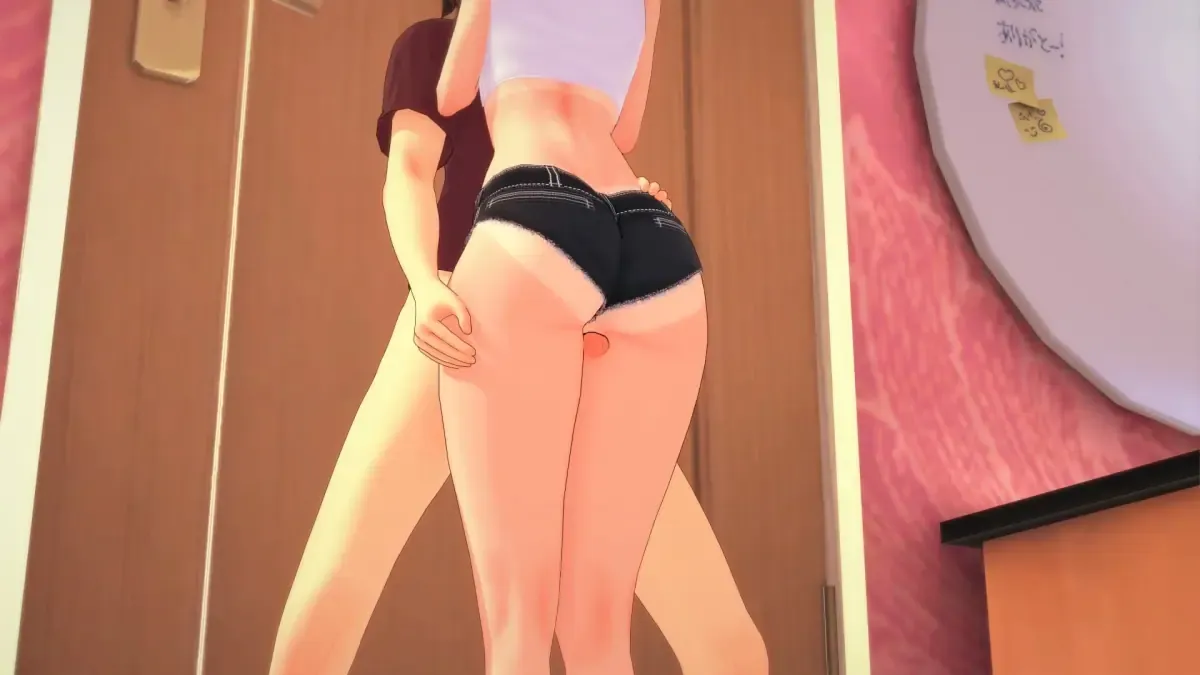
A compelling Luna’s Fall from Grace narrative needs a worthy vessel, and the artistic presentation delivers spectacularly. 🖼️ This isn’t just about “adult content”; it’s about using visual storytelling to deepen character and theme. The standard scenes are rendered with a cinematic eye—shadowy alleyways feel damp and threatening, luxurious penthouses gleam with sterile coldness. You can read the tension in a character’s posture or the fleeting doubt in their eyes before a crucial decision.
But where the visuals truly become a narrative device is in the intimate, animated scenes. In games of this nature, these moments can often feel detached or gratuitous. In Luna’s Fall from Grace, they are meticulously woven into the Luna’s Fall from Grace plot. A scene of BDSM dynamics isn’t just about sensation; it’s a raw power negotiation, a psychological battle, or a moment of shocking vulnerability, depending on the path you’re on. The animation quality ensures these moments feel visceral and consequential, directly reflecting the mental shifts and power dynamics your choices have set in motion.
Watching Luna’s expression change—from fear to acceptance, from resistance to craving, from innocence to cunning—during these sequences is a powerful storytelling tool. The art captures her transformation in real-time, making her corruption, empowerment, or redemption feel terrifyingly real. This commitment to quality ensures every scene, regardless of its nature, serves the larger story, making the world feel cohesive and utterly absorbing.
So, why is it so addictive? Because Luna’s Fall from Grace makes you a true co-author. It presents you with a broken protagonist and a dangerous world, then hands you the brush. Every choice, from a moment of kindness to an act of breathtaking betrayal, feels like it matters. The combination of a tightly wound thriller plot, profound player agency, and stunning visuals that respect the story creates a perfect storm of engagement.
If you’re about to start your first game, my practical advice is this: don’t try to game the system. Play intuitively. Respond to situations as you feel in the moment. That first, authentic playthrough is magical. You’ll get it wrong, you’ll get it right, and you’ll create a Luna’s Fall from Grace story that is uniquely, powerfully yours. Then, you’ll do it all over again to see where the other paths lead. After all, finding all the Luna’s Fall from Grace endings isn’t about completion—it’s about understanding every facet of a brilliant, dark gem of a game. ✨
Luna’s Fall from Grace isn’t just a game—it’s a personal journey where your choices craft Luna’s fate amid temptation and danger. From her gilded cage to unpredictable paths of freedom or redemption, the depth of story, mechanics, and visuals make every playthrough unique. I’ve revisited it multiple times, each revealing new layers of corruption or triumph. If you’re ready to dive in, grab the latest version, experiment with bold decisions, and share your wildest ending in the comments. What path will you carve for Luna? Your adventure awaits.