Peasant’s Quest
Play Peasant’s Quest
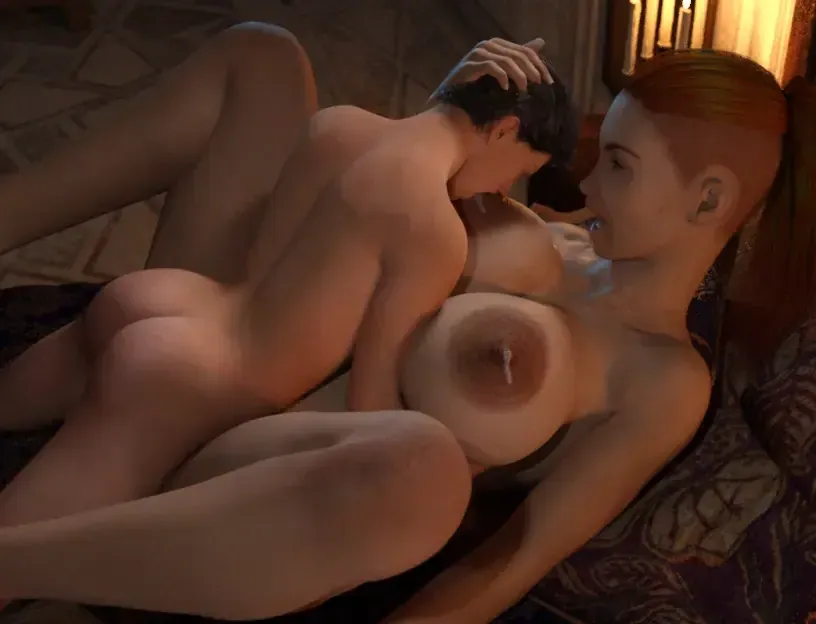
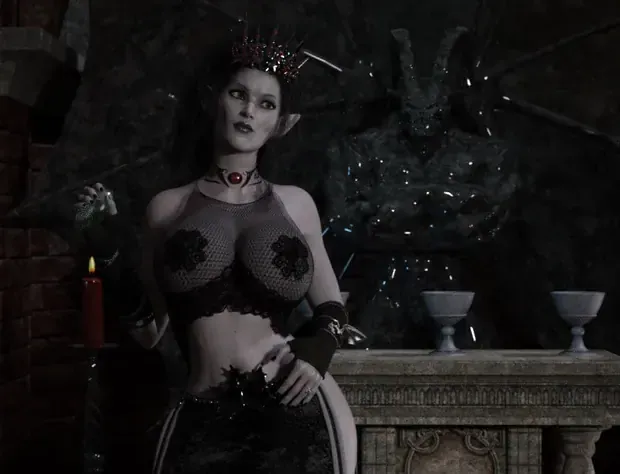
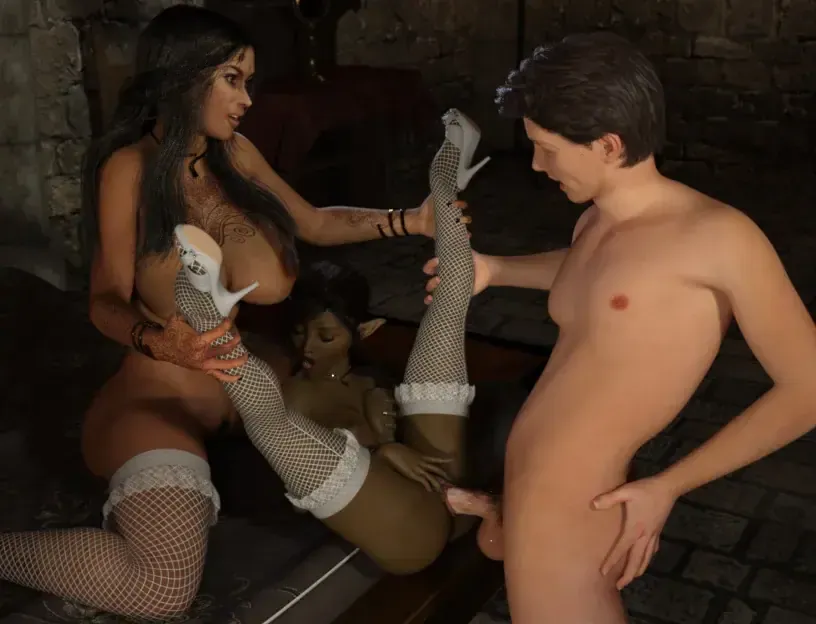
Peasant’s Quest Screenshots

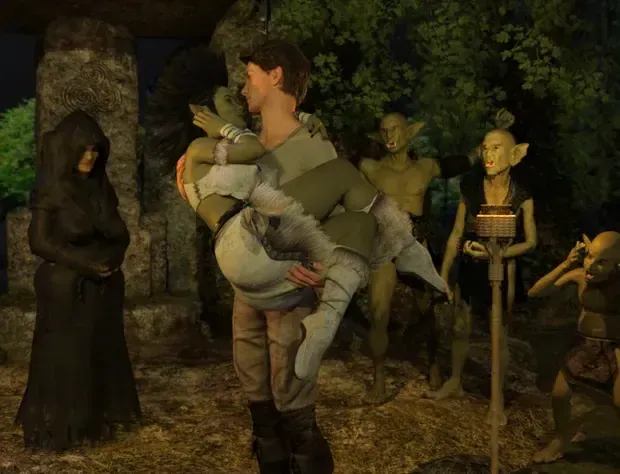
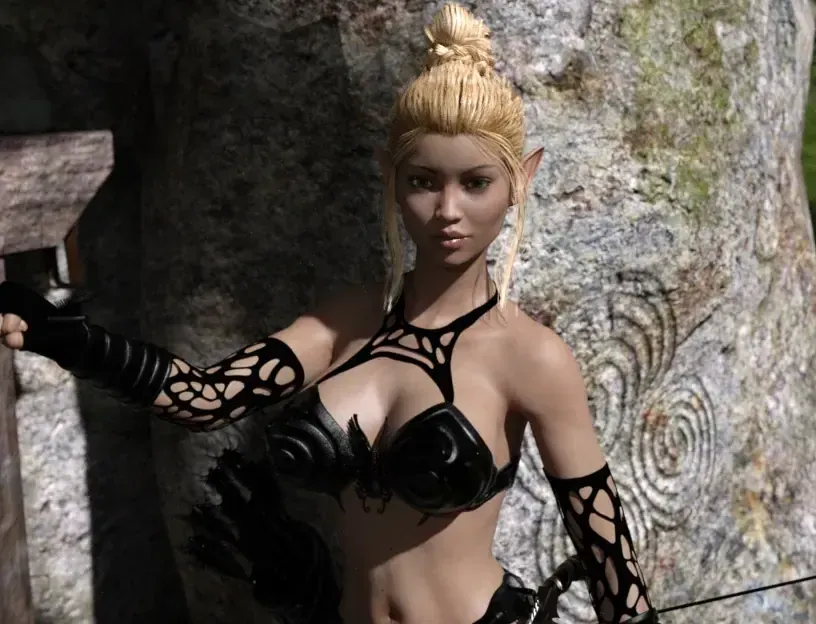
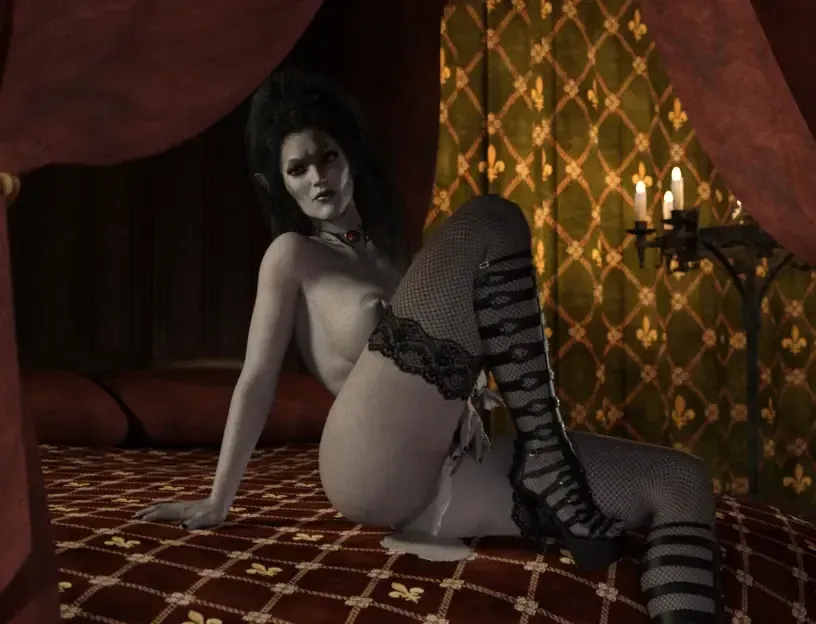

Peasant’s Quest review
Explore gameplay mechanics, character customization, and story elements in this fantasy RPG
Peasant’s Quest transports players into a richly detailed medieval fantasy world where adventure awaits at every turn. This immersive RPG follows the journey of a young farm boy who leaves behind his humble origins to seek fortune, glory, and unforgettable encounters in a sprawling fantasy realm. Whether you’re drawn to the engaging narrative, character-driven storytelling, or the freedom to shape your own adventure, Peasant’s Quest offers a unique blend of exploration, relationship-building, and fantasy worldbuilding. This comprehensive guide explores the core gameplay elements, character systems, and what makes this medieval adventure stand out in the RPG landscape.
Understanding Peasant’s Quest: Core Gameplay and World Design
Stepping into the world of Peasant’s Quest for the first time, I was immediately struck by a feeling I hadn’t experienced in a fantasy RPG in years: genuine humility. 🏡 This isn’t a tale where you’re the chosen one from the get-go, handed a legendary sword and a kingdom to save. Instead, you begin as a simple farmhand, your calloused hands better suited for a hoe than a halberd. This foundational choice defines the entire Peasant’s Quest gameplay experience, making every small victory feel earned and every step into the wider world a true adventure. The core magic of this game lies in how it masterfully weaves its medieval fantasy RPG mechanics into a narrative of personal growth, where the journey from soil-tiller to hero is the ultimate reward.
Let’s dig into the soil of this remarkable world and understand what makes its systems tick, its stories resonate, and its world so incredibly easy to get lost in.
The Medieval Fantasy Setting and Atmosphere
The realm of Peasant’s Quest doesn’t just feel lived-in; it feels worked-in. 🌾 This is the first pillar of its incredible fantasy world building. You won’t find pristine, glittering spires untouched by time. You’ll find muddy village lanes, thatched roofs in need of repair, and forests that are less mystical gardens and more untamed, resource-rich—and dangerous—wilderness. The art direction uses a palette of earthy browns, deep forest greens, and muted greys, punctuated by the warm glow of a forge or the vibrant colors of a royal herald’s banner. The sound design completes the picture: the clucking of chickens, the distant ring of a blacksmith’s hammer, the howl of wolves from beyond the treeline, and a beautifully understated score that uses lutes and woodwinds to evoke both the pastoral peace of home and the creeping dread of ancient ruins.
This grounded approach to its medieval fantasy RPG mechanics is what creates such potent immersion. For example, early on, you’re not just “overencumbered” by a game stat; you’ll physically struggle to carry a heavy sack of turnips to market, your character’s movement slowing to a realistic trudge. Weather isn’t just a visual effect; a sudden rainstorm will turn paths to mud, slowing travel and making slopes treacherous. This attention to tactile detail forces you to engage with the world on its terms, making the eventual mastery of it all the more satisfying. The fantasy world building is revealed not through lengthy lore dumps, but through environmental storytelling—a crumbled shrine in the woods hinting at a forgotten faith, or the defensive architecture of a bridge speaking of a history of conflict.
Character Progression and Development Systems
At the heart of your adventure is the brilliantly designed character progression system. Forget assigning points to abstract “Strength” or “Dexterity” stats at level-up. In Peasant’s Quest, you improve by doing. Your farm boy (or girl) starts with a set of humble, practical skills like Animal Handling, Foraging, and simple Crafting. Want to get better with a sword? You need to find someone to train you, pay for lessons (often with favors or goods, not just coin), and then spend time practicing. The game tracks your proficiency with individual weapon types, and you’ll genuinely feel clumsy with a broadsword if all you’ve used is a hatchet.
This organic character progression system applies to everything. Your persuasion skill improves by successfully talking to people. Your survival skill increases by spending nights camping and navigating safely. I remember spending my first few in-game days barely leaving my village, just fishing, helping neighbors with chores, and slowly building up my stamina and basic combat awareness. When I finally took on a contract to clear rats from a cellar, it felt like a monumental, dangerous task—and the reward of a few copper coins and a slightly better reputation was immensely gratifying.
The beauty lies in the freedom. The Peasant’s Quest gameplay doesn’t force a class on you. You might start focusing on archery to hunt game, then branch into leatherworking to craft your own armor, slowly becoming a rugged survivalist. Or you might use your peasant’s knowledge of herbs to develop into an alchemist, supporting allies with potions and poisons. You craft your own hybrid “class” through your actions.
To illustrate the paths you can take, here’s a look at how different playstyles develop:
| Playstyle Focus | Early Game Activities | Core Progression Path | Late-Game Potential |
|---|---|---|---|
| The Warrior | Manual labor for strength, basic guard training, hunting dangerous game. | Weapon specialization → Armor mastery → Battle tactics learned from veterans. | Heavily armored knight, mercenary captain, or a disciplined army officer. |
| The Scout | Foraging, fishing, tracking animals, navigating dense forests. | Stealth movement → Archery/Light weapon finesse → Trap setting and survival lore. | Elite tracker, master hunter, or a spy for a noble house. |
| The Diplomat | Running errands for villagers, bartering at market, listening to local gossip. | Persuasion & Bartering → Local faction reputation → Noble etiquette and history. | Influential merchant lord, trusted royal advisor, or a charismatic leader of men. |
| The Artisan | Farming, blacksmithing apprenticeships, basic alchemy from village healers. | Crafting specialization (Smithing/Alchemy/Enchanting) → Recipe discovery → Masterworks. | Renowned master crafter whose gear is sought by heroes, or a scholar of ancient magic. |
Exploration and Quest Structure
If the character progression is the heart of Peasant’s Quest, then its quest structure and exploration are the lungs and legs. This is not a game of map markers and fast travel. 🗺️ You receive quests through organic NPC relationships and interactions: a worried farmer mentions wolves in the north field, a traveling merchant hints at a ruined caravan off the old road, or the village elder sits you down and tells you a problem that’s too big for the others.
The journal you keep is written from your character’s perspective, with sketches and notes based on what you’ve actually seen and heard, not omnipotent GPS coordinates. You might have a clue like “head to the old mill, then follow the stream east until you see the lightning-scarred oak.” You have to actually look for that oak. This makes exploration purposeful and rewarding; that “unmarked” cave you stumble upon might contain a rare mineral vein, a hidden shrine that boosts a skill, or the journal of a lost traveler that starts a whole new side narrative.
The quest structure and exploration philosophy is all about cause, effect, and consequence. Let me give you a real example from my playthrough:
Early Game Scenario: In the starting village, I was approached by two NPCs on the same day. Brother Alden, the local monk, asked me to retrieve a stolen relic from some desperate, impoverished refugees camping in the woods. Simultaneously, a refugee named Elara pleaded with me to convince the village mayor to show them mercy and allow them to work for food, claiming they were framed.
I had a choice. I could:
1. Brute Force: Attack the refugee camp for the relic.
2. Diplomacy: Investigate Elara’s claim by looking for evidence.
3. Subterfuge: Try to steal the relic back without being seen.
I chose to investigate. By using my nascent foraging skill to find a hidden path behind their camp, I overheard the real thieves—a pair of rogue mercenaries—bragging about framing the refugees. I retrieved the relic from them and exposed the plot to Brother Alden and the mayor.
The Outcome: This single series of choices, a perfect blend of Peasant’s Quest gameplay and its NPC relationships and interactions, had ripple effects. The refugees were allowed to settle on the village’s outskirts. Elara became a permanent vendor with unique goods. Brother Alden, impressed by my integrity, later provided me with crucial aid against a supernatural threat. The Peasant’s Quest story elements are built from hundreds of these small, interlocking decisions, making the world feel truly responsive.
Main story quests unfold gradually, often gated by your reputation, skill levels, or the relationships you’ve built. You can’t just march into the Duke’s castle; you need to be someone of note, or have a powerful friend to vouch for you. This seamlessly blends the main narrative with the optional content, as building your reputation is often the optional content. The pacing is entirely in your hands. You can rush towards the looming central conflict, or you can spend weeks becoming the region’s most prosperous beet farmer and part-time monster hunter. The medieval fantasy RPG mechanics support both lifestyles.
Ultimately, Peasant’s Quest stands as a masterpiece of cohesive design. Its fantasy world building provides a grounded, believable stage. Its character progression system makes you the architect of your own destiny. Its quest structure and exploration demand thoughtful engagement and reward curiosity. And its Peasant’s Quest story elements emerge naturally from your actions, crafting a tale that is uniquely yours. It proves that the most epic fantasy adventures don’t start with a destiny, but with a single, determined step out of your own front door. 🪓✨ Your journey from peasant to legend awaits.
Peasant’s Quest delivers a compelling medieval fantasy experience that prioritizes player agency and meaningful choices. From the moment you leave your farm to seek adventure, the game respects your decisions through its flexible progression system, diverse relationship mechanics, and customizable character creation. Whether you prefer following the main narrative, exploring optional content, or diving into sandbox mode for unrestricted gameplay, Peasant’s Quest adapts to your playstyle. The integration of relationship-building with story progression creates a dynamic world where your interactions with NPCs genuinely matter. The extensive customization options ensure your character feels uniquely yours, while the branching dialogue system and multiple quest solutions keep each playthrough fresh. For players seeking a fantasy RPG that values choice, character development, and immersive worldbuilding, Peasant’s Quest stands out as a thoughtfully designed adventure that rewards exploration and experimentation. Start your journey today and discover the adventure that awaits beyond the farm.