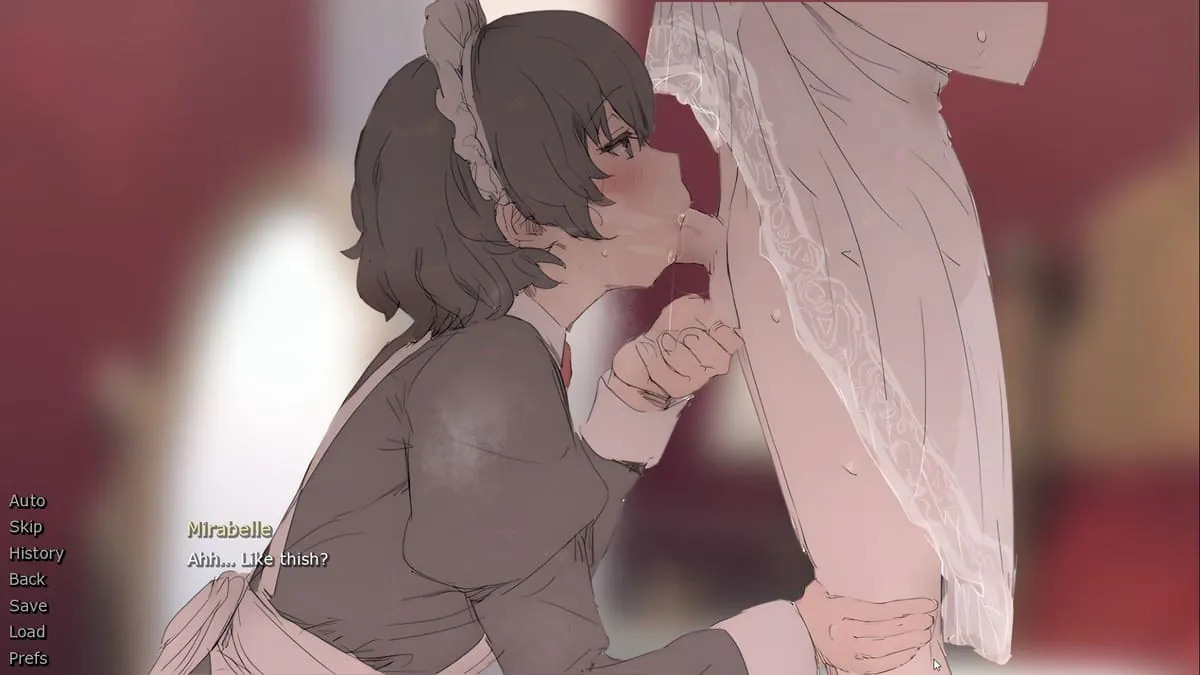
Second Chance
Play Second Chance
Second Chance Screenshots




Second Chance review
Explore the interactive storytelling and player-driven choices in this unique adult gaming experience
Second Chance is an adult-themed interactive game that stands out in its genre by combining narrative-driven storytelling with meaningful player-driven choices. Unlike traditional linear experiences, this game emphasizes how your decisions shape the story’s direction and outcomes. Whether you’re new to interactive adult games or looking for something with deeper engagement mechanics, Second Chance offers a unique blend of character development, branching storylines, and consequence-based gameplay. This guide explores what makes Second Chance distinctive, how its choice system works, and what players can expect from their experience.
Understanding Second Chance’s Core Gameplay Mechanics
Imagine a game where every decision, from a casual remark to a moment of profound trust, permanently alters the world around you. That’s the heart of Second Chance. This isn’t a passive story you watch unfold; it’s a living, breathing narrative that you steer with every choice. Your agency is the engine, and the interactive story decision system is the framework that makes it all possible. Forget linear plots—here, you’re the author of a deeply personal saga. 🎮
The magic lies in how these Second Chance interactive game mechanics transform a simple story into your story. It’s about the weight of a decision, the ripple effect of a kindness or a betrayal, and watching characters grow and change in response to your actions. Let’s pull back the curtain and explore exactly how this captivating experience works.
How Player Choices Drive the Narrative
At its core, Second Chance is built on a simple, powerful premise: your choices matter. This isn’t an illusion. The game’s architecture is designed to remember everything, turning your playthrough into a unique fingerprint. From the moment you begin, the interactive story decision system is tracking your behavior, your allegiances, and your moral compass.
Think of it like being the director of your own film, but the actors genuinely react to your direction in real-time. Want to play a charismatic charmer who smooth-talks their way through problems? The game will present opportunities for diplomacy and persuasion. Prefer a more stoic, action-oriented path? Those options will emerge too. The key Second Chance gameplay features revolve around this adaptive narrative.
Pro Tip: Don’t try to “game” the system on your first playthrough. The most rewarding experience in Second Chance comes from making choices that feel true to you, not from trying to guess what the “best” outcome might be. Authenticity leads to the most surprising and satisfying story arcs.
To get you started, here’s a quick checklist of the core mechanics that make this possible:
- Dialogue Decisions: Every conversation offers multiple responses, shaping how characters perceive you.
- Action Selection: Critical story moments present key forks in the road, locking you onto a specific narrative branch.
- Relationship Investment: You choose who to spend time with, help, or confide in, directly influencing bond levels.
- Stat & Trait Tracking: Hidden metrics track your personality (e.g., Compassion, Cunning, Resilience) and unlock unique dialogue or actions.
- Memory System: The game recalls your major decisions, and characters will reference past events in future conversations.
Your control is absolute, but it’s also consequential. This seamless integration of choice and narrative is what defines the Second Chance interactive game mechanics. There’s no “right” way to play, only your way.
The Consequence System and Story Branching
This is where Second Chance truly shines. Choices aren’t isolated events; they are seeds that grow into massive, sometimes unexpected, story trees. The player choice consequences adult game experience is built on a domino effect. A decision in Chapter 2 might not reveal its full impact until Chapter 6, creating a powerful sense of a living world that remembers your actions.
The branching narrative storytelling isn’t just about getting a “good” or “bad” ending. It’s about crafting a completely different journey. Major story beats, alliances, and even which characters are alive or present can change based on your cumulative decisions. This system encourages multiple playthroughs, as you’ll discover entirely new adult game narrative paths each time.
Let me give you a concrete example from my own playthrough. Early in the game, you encounter a side character, Leo, who is being harassed by a local bully. You have a few options:
- Intervene directly and fight the bully. (Requires some prior investment in physical stats)
- Use your wit and charisma to defuse the situation verbally.
- Walk away, deciding it’s not your problem.
In my first playthrough, I chose option two. I successfully talked the bully down, earning Leo’s deep gratitude. I didn’t think much of it until much later, when I was in a desperate situation with a powerful antagonist. Out of nowhere, Leo showed up with crucial help, stating he “never forgets a friend.” That single, early act of kindness had planted a seed that blossomed into a lifesaving alliance—a path I never would have seen had I chosen differently.
Here’s a simplified look at how that one choice can branch:
| Your Early Choice | Immediate Consequence | Long-Term Narrative Branch (Seen Later) |
|---|---|---|
| Help Leo (Fight) | Gain a loyal friend; minor injury stat penalty. | Leo becomes a physical ally in future conflicts. Unlocks quests related to his network. |
| Help Leo (Talk) | Gain a loyal friend; boost reputation in town. | Leo provides crucial information or diplomatic aid later. Unlocks social-based solutions to problems. |
| Ignore Leo | No change. Bully remains a problem. | Leo is not available to help. The bully may become a recurring obstacle. A potential ally is lost. |
This depth of branching narrative storytelling means there are no throwaway moments. The game respects your time and intelligence by ensuring your attention and choices have lasting meaning. Even “failed” choices aren’t dead ends; they simply guide the story in a new, often more dramatic or challenging direction. The save system allows you to bookmark decisions, so you can absolutely go back and explore alternate paths—but I often found the most compelling stories were the ones where I lived with my mistakes and saw where they led. 😅
Character Development Through Decision-Making
In Second Chance, relationships are not predetermined plot points. They are intricate puzzles you solve through interaction, or gardens you nurture through careful choices. Every major character has their own motivations, secrets, and emotional thresholds. Your character relationship development choices directly determine if you become their confidant, rival, lover, or stranger.
The game uses a sophisticated, yet invisible, relationship scoring system. It’s not just about always agreeing with someone. Sometimes, challenging a character’s flawed belief (if done respectfully) can earn you more respect than blind obedience. It’s about paying attention—remembering their personal history, supporting their goals, or being there in a moment of vulnerability. These Second Chance gameplay features make connections feel earned and real.
For instance, one character, Maya, is fiercely independent and distrustful of authority. Constantly offering her help came off as patronizing and pushed her away. I had to learn to step back, show confidence in her abilities, and only assist when she explicitly asked. This shift in approach, guided by her personality, transformed our dynamic from cold to fiercely loyal.
The following table breaks down the key factors that influence these dynamic relationships:
| Relationship Factor | How It’s Influenced | Impact on Story |
|---|---|---|
| Trust | Keeping promises, being honest in difficult moments, sharing secrets. | Characters will share crucial plot information, offer unique assistance, or become vulnerable around you. |
| Respect | Demonstrating competence, standing by your principles, showing strength in adversity. | Characters will defer to your judgment in group decisions, seek your counsel, or acknowledge your leadership. |
| Romantic Affinity | Flirtatious dialogue, meaningful private moments, consistent emotional support. | Unlocks deep romantic subplots, intimate scenes, and can significantly alter a character’s personal story arc. |
| Conflict | Opposing their goals, betraying confidence, choosing their rivals over them. | Can turn allies into antagonists, close off story paths, or create intense, dramatic confrontations that reshape the narrative. |
This system ensures that no two players will have the exact same experience with a character. Your friend in one playthrough could be your bitter enemy in another, all based on your cumulative character relationship development choices. It powerfully showcases the player choice consequences adult game philosophy, proving that in Second Chance, the most compelling story isn’t just about what happens to you—it’s about who you become to others along the way. ❤️🔥
Ultimately, understanding these Second Chance interactive game mechanics is the key to unlocking the game’s full potential. It’s an invitation to engage deeply, to think about your actions, and to embrace the unexpected stories that emerge from your unique combination of choices. The branching narrative storytelling and rich character relationship development choices don’t just create a game you play—they create a world you inhabit and a story you genuinely own. So, dive in, make your mark, and discover just how many adult game narrative paths your Second Chance can hold.
Second Chance delivers a compelling experience for players seeking interactive storytelling with genuine consequences. The game’s strength lies in its commitment to player agency—your choices genuinely matter and shape the narrative in meaningful ways. Whether you’re drawn to the character-driven romance elements, the branching storylines, or the satisfaction of discovering multiple endings, Second Chance offers substantial replay value. The combination of meaningful dialogue choices, relationship tracking systems, and consequence-based gameplay creates an engaging experience that rewards both careful decision-making and experimentation. For those interested in adult interactive games that prioritize narrative depth and player choice, Second Chance stands out as a title worth exploring. Take your time with your first playthrough, pay attention to character preferences and dialogue options, and don’t hesitate to replay with different approaches to uncover the full scope of what the game offers.