
Sisterly Lust
Play Sisterly Lust
Sisterly Lust Screenshots






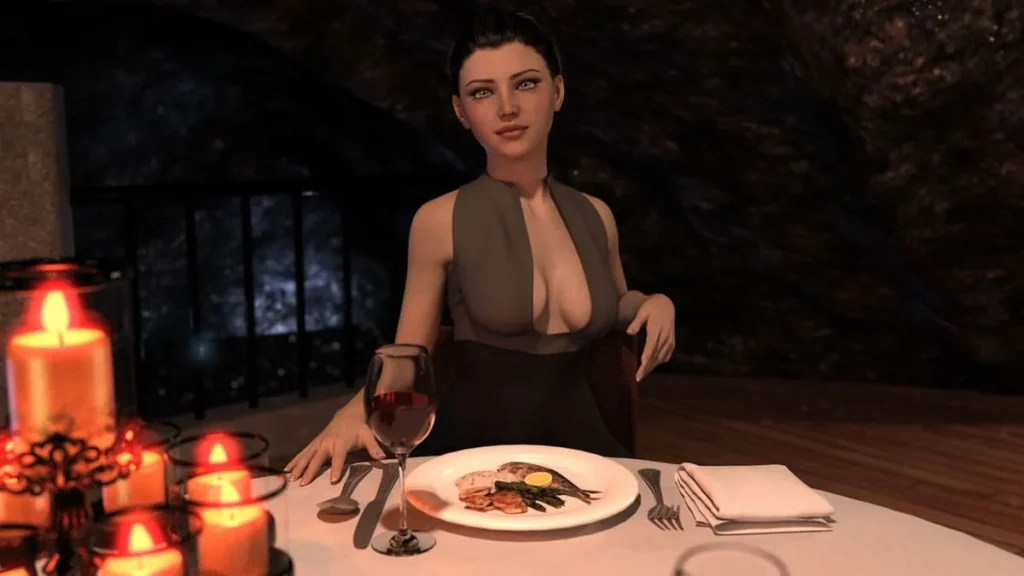








Sisterly Lust review
Master every choice, path, and character relationship in this choice-driven visual novel
Sisterly Lust stands as a landmark choice-driven visual novel that has captivated players with its intricate relationship mechanics and branching narrative paths. This game challenges players to navigate complex family dynamics through meaningful decisions that directly impact character trust, corruption levels, and available story routes. Whether you’re pursuing romance, corruption, harem, or pregnancy scenarios, understanding the game’s core mechanics is essential for unlocking all available content. Our comprehensive guide breaks down character interactions, decision consequences, and strategic approaches to help you experience everything this game has to offer.
Understanding Core Game Mechanics in Sisterly Lust
So, you’ve started your journey into the world of Sisterly Lust, and maybe you’re feeling a bit overwhelmed. 😅 I remember my first playthrough—I thought I was being the perfect, caring brother, only to have a sister shut me down completely by the second week. I was confused! What went wrong? The answer lies in the game’s brilliant, interlocking core systems. Mastering Sisterly Lust mechanics isn’t just about clicking through scenes; it’s about understanding the invisible rules that govern every smile, every argument, and every intimate moment.
This isn’t a linear story. It’s a delicate web of relationships where every choice sends ripples through the entire narrative. Your success hinges on two pivotal concepts: Trust and Corruption. Think of them as the twin engines of the game’s relationship mechanics. Getting to know how they work, how they open up or lock away character paths, and how your visual novel choices manipulate them is the key to unlocking the full, rich tapestry of this branching narrative gameplay. Let’s break it all down.
How Trust and Corruption Systems Work
At its heart, Sisterly Lust is a game about persuasion and changing dynamics. The trust and corruption system is the primary tool for modeling this. Don’t think of them as simple “good vs. evil” meters. They are separate, powerful forces that you must balance like a master chef seasoning a dish. 🧑🍳
Trust is the foundation of any relationship in the game. It represents genuine emotional connection, safety, and affection. High trust means a character feels comfortable and secure with you. They’ll share secrets, spend time with you willingly, and view you as a reliable part of their life. However, pushing for physical advancement without sufficient trust is a surefire way to get rejected and lose points, potentially ending a route before it even begins.
Pro Tip: Early game is all about building trust. Help with chores, offer sincere emotional support during conversations, and be patient. This opens the “gates” for what comes later.
Corruption, on the other hand, is about bending and reshaping a character’s boundaries and inhibitions. It’s not necessarily about being mean—it can be about introducing new, sensual ideas, encouraging risky behavior, or gradually making the “forbidden” feel normal. A character with high corruption is more open to lewd suggestions, more adventurous, and more willing to cross lines they previously wouldn’t. But raise it too fast without the trust to support it, and you’ll create anxiety or backlash.
The magic—and the strategy—lies in how they interact. You cannot have a successful romantic or physical relationship on trust alone (you’ll be stuck in a permanent “friend zone”), nor on corruption alone (the relationship will feel hollow and may break). You need a combination. For example, a medium-trust, high-corruption path might lead to a purely physical, secretive affair. A high-trust, medium-corruption path might lead to a loving, romantic relationship that still explores intimacy. This interplay is the essence of how to unlock content in the game.
| System | Primary Effect | Low Value Consequence | High Value Consequence | Key Unlock Example |
|---|---|---|---|---|
| Trust | Governs emotional availability & story progression. | Routes end early; characters refuse to talk or spend time with you. | Access to emotional, romantic scenes; characters seek your comfort and support. | Unlocking a character’s heartfelt confession or exclusive dating scene. |
| Corruption | Governs willingness to engage in & initiate lewd acts. | Characters reject advances, even if they like you; scenes stop at kissing. | Characters propose intimate encounters; openness to group or public scenarios. | Unlocking a character’s most adventurous or taboo scene sequences. |
FAQ: Trust & Corruption Mechanics
- Q: Can I max out both Trust and Corruption for a character?
A: Generally, no. The game often presents choices that favor one over the other. Prioritizing a romantic talk boosts Trust, while sneaking a peek or making a risqué joke might boost Corruption. Your cumulative choices define the “flavor” of the relationship. - Q: What happens if my Trust is too low?
A: The character will eventually stop interacting with you meaningfully, locking you out of their path. In some cases, if you act like a total jerk, it can lead to game-over scenarios for that relationship thread. - Q: Does Corruption make characters dislike me?
A: Not if managed alongside Trust. A character with high Trust and high Corruption is someone who loves you and is wildly adventurous with you. High Corruption with low Trust just makes you seem like a creep.
Character Paths and Route Selection
Now, with the trust and corruption system understood, let’s talk about where you’re steering this ship: the character paths guide. 🗺️ Each sister (and other romantic interests) has multiple routes within their story, defined by your management of those core mechanics. This isn’t just “get points, get girl.” It’s about crafting a specific story.
You have main routes for each love interest, but within those, you often have sub-paths:
* The Romantic (High-Trust) Path: Focused on building a deep, loving connection. Scenes are sweeter, more emotional, and the progression to intimacy is slower and based on mutual feelings. This is often the “default” path for players who choose supportive, kind options.
* The Lustful (High-Corruption) Path: Focused on physical desire and breaking down taboos. The story progresses through sneaky encounters, risqué dares, and a more dominant (or submissive, depending on choices) dynamic. The emotional beats are often more about passion than tender romance.
* The Harem Path: Yes, it’s possible, but it’s the game’s ultimate challenge of Sisterly Lust mechanics. This requires meticulously balancing time, trust, and corruption with multiple characters simultaneously, often making strategic choices that keep everyone happy (and unaware) until a critical story point. One wrong move can cause jealousy that ends everything.
* Pregnancy Outcomes: For certain characters, this is a major path branch that opens up much later in the game, typically requiring very specific conditions of relationship stability and story progression. It adds a whole new layer of narrative consequences.
Selecting a path isn’t a menu option; it’s the sum of dozens of small decisions. Early on, you might not see a difference, but by mid-game, your path is set. I learned this the hard way with Linda. In one playthrough, I focused on being a sweet, helpful brother (high Trust), and our relationship blossomed into a slow, tender romance. In another, I consistently chose the flirtatious, teasing options whenever we were alone (raising Corruption), which led to a much more physically charged, secretive affair. The same character, two wildly different stories—that’s the power of its branching narrative gameplay.
Decision Consequences and Story Branching
This brings us to the lifeblood of any great visual novel: the weight of your choices. In Sisterly Lust, your visual novel choices are rarely inconsequential. A decision in Week 1 can directly affect a dialogue option or event availability in Week 8. This creates a truly reactive world and makes every playthrough unique.
Let’s use a concrete, spoiler-light example. Imagine a scene where you walk in on a sister changing. You have a few seconds to decide:
* Choice A: Apologize immediately and leave. (Likely boosts Trust slightly; shows respect for boundaries).
* Choice B: Freeze and stare for a moment before leaving. (May give a small, risky boost to Corruption with that sister, but could lower Trust if she’s particularly private).
* Choice C: Make a teasing comment before leaving. (A more direct boost to Corruption, with a higher risk of a Trust penalty).
This single moment can set a precedent. Choice A reinforces a “gentlemanly” dynamic. Choice B introduces a hint of sexual tension. Choice C establishes you as more bold and flirtatious. This tiny branch then influences future interactions. The sister might be more shy around you later (if you chose B or C), or she might feel safer and seek you out for comfort (if you chose A). Later, this could determine whether she agrees to a risky plan or confesses a personal fear to you.
The branching narrative gameplay is built from thousands of these micro-decisions. Major plot points—like confronting a problem, deciding who to spend a weekend with, or how to resolve a family conflict—have even larger branches. You might completely miss entire scenes, characters, or story arcs because you didn’t have the required relationship stats or didn’t make a specific choice three “chapters” earlier.
My Advice: Save often and in different slots! Don’t be afraid to re-load and try a different option just to see where it leads. Experimentation is the best way to learn the map of this game’s narrative. Seeing how one different click alters the next hour of gameplay is a revelation.
To truly master how to unlock content, you need to think strategically. Are you aiming for a specific scene with Bella? Look up what her general Trust and Corruption thresholds are for that scene (but avoid rigid guides—exploration is fun!). Then, work backwards. In your daily interactions, consistently choose the dialogue and actions that align with building those stats for her, while possibly neglecting others. This focused approach is how you dive deep into a single character path.
Remember, Sisterly Lust is a game designed for multiple playthroughs. Your first run should be blind—feel the emotions, make mistakes, see where your natural choices lead you. Then, armed with this knowledge of its relationship mechanics and Sisterly Lust mechanics, go back. Pursue a different sister, or pursue the same sister in a completely different way. Manipulate the trust and corruption system with purpose. You’ll be amazed at how much new story, dialogue, and scenes you discover, proving that the real treasure of this branching narrative gameplay is the journey itself, not just the destination. 🎮✨
Sisterly Lust delivers a sophisticated gaming experience that rewards careful decision-making and strategic planning. By understanding the trust and corruption systems, learning each character’s preferences and triggers, and planning your choices across multiple playthroughs, you can unlock the full breadth of content this visual novel offers. Whether you’re pursuing exclusive romance, exploring corruption paths, building a harem, or experiencing pregnancy scenarios, the game’s branching narrative ensures that your choices genuinely matter. Take time to experiment with different approaches, pay attention to character reactions, and don’t hesitate to replay sections to discover alternative outcomes. The depth of Sisterly Lust lies in its replayability and the meaningful consequences of your decisions—making it a rewarding experience for players who engage thoughtfully with its mechanics.