Tales of Unity
Play Tales of Unity
Tales of Unity Screenshots
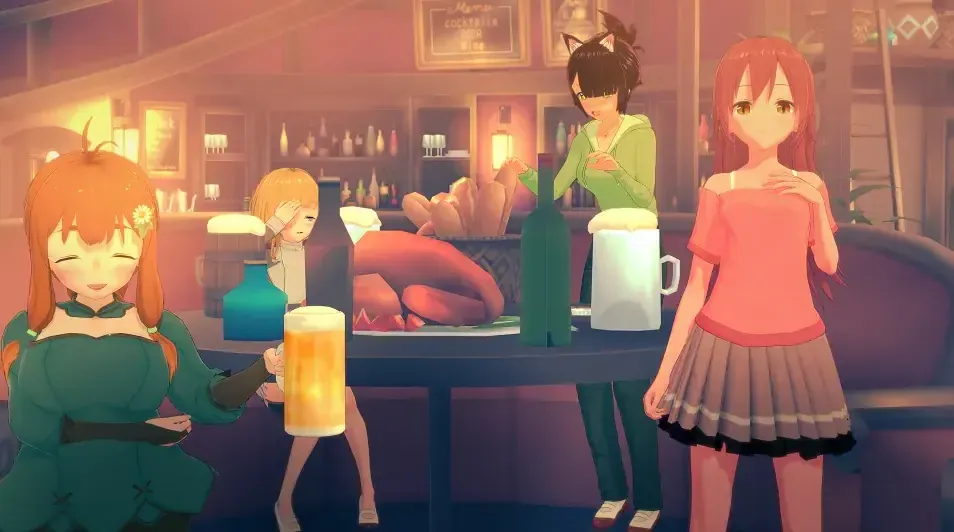
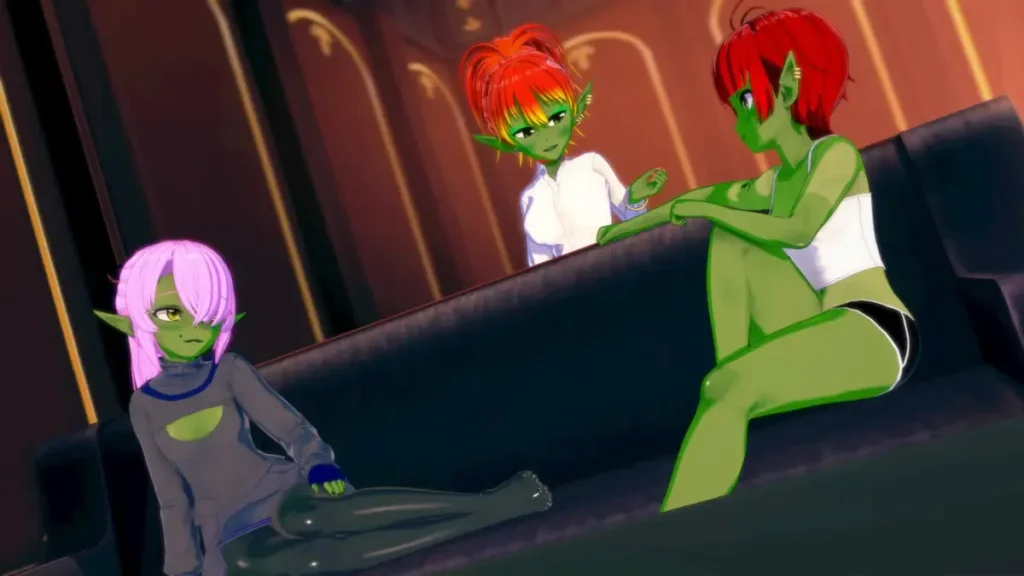
Tales of Unity review
Discover the captivating story and immersive world of this standout interactive experience
Imagine diving into a world where every choice weaves a tapestry of adventure, deep characters, and steamy encounters—that’s Tales of Unity in a nutshell. This adult game has hooked players with its masterful storytelling, rivaling top titles in the genre. From the moment I booted it up, expecting familiar exploration mechanics like in Hero’s Harem Guild, I was blown away by its rich narrative and spot-on comedy. If you’re hunting for an interactive experience that blends heartfelt plots with thrilling adult moments, Tales of Unity delivers big time. Let’s explore why it’s a must-play and how to get the most out of it.
What Makes Tales of Unity a Storytelling Masterpiece?
Let me tell you, I was getting pretty fed up. 🤨 Coming from games where the “plot” was just a flimsy excuse to get from one scene to the next, I was ready to write off the whole genre. I mean, let’s be honest, a lot of these games have stories that are… well, totally rubbish. They’re an afterthought. So, when I fired up Tales of Unity, my expectations were on the floor. I was braced for another shallow romp.
Boy, was I in for a shock. Within an hour, I wasn’t just clicking for the next spicy scene—I was genuinely invested. I was laughing out loud, I was theorizing about mysteries, and I actually cared about what happened to the people on my screen. This wasn’t just a game; it was proof. Proof that the concept of the best adult game narrative isn’t an oxymoron. “Tales of Unity” is a full-blown storytelling masterpiece that stands toe-to-toe with mainstream visual novels, and it’s time we gave it that credit.
Unpacking the Gripping Narrative and Plot Twists
The magic of the Tales of Unity story isn’t in some overly complex, impenetrable lore bible. It’s in the execution. You start as Leo, a guy who’s just trying to get by in a world where magic is real but your bank account is decidedly not. The premise feels grounded, almost mundane, and that’s its secret weapon. You’re not a prophesied hero from minute one; you’re just a dude in a weird situation. This makes the journey from ordinary to extraordinary so much more satisfying.
What truly defines immersive adult storytelling here is pacing and payoff. The game masterfully balances slice-of-life moments with genuine stakes. You’ll spend a delightful afternoon helping a friend with a ridiculous problem, only to have the narrative floor drop out from under you with a revelation that recontextualizes everything. The plot twists aren’t cheap “gotcha!” moments. They feel earned, planted with subtle clues that you’ll kick yourself for missing on a second playthrough.
My favorite part? The game respects your intelligence. It doesn’t spoon-feed you every detail. It lets conversations breathe, allows tensions to simmer, and trusts you to piece together character motivations from their actions, not just their dialogue. This creates a rich narrative texture that most games in this space wouldn’t even attempt.
Pro Tip for New Players: Don’t rush! Seriously. The temptation to speed through might be there, but the Tales of Unity story is a slow-burn feast. Read every bit of optional dialogue, click on those environmental objects, and talk to everyone twice. The world-building is in the details, and it makes all the difference in your immersion.
This approach to the Tales of Unity plot review is what sets it apart. You’re not a passive observer; you’re an active participant in unraveling the mystery. The central “Unity” concept isn’t just a catchy title—it’s the core thematic engine that drives every relationship and conflict, making for one of the most engaging porn game stories I’ve ever experienced.
How Characters Bring the World to Life?
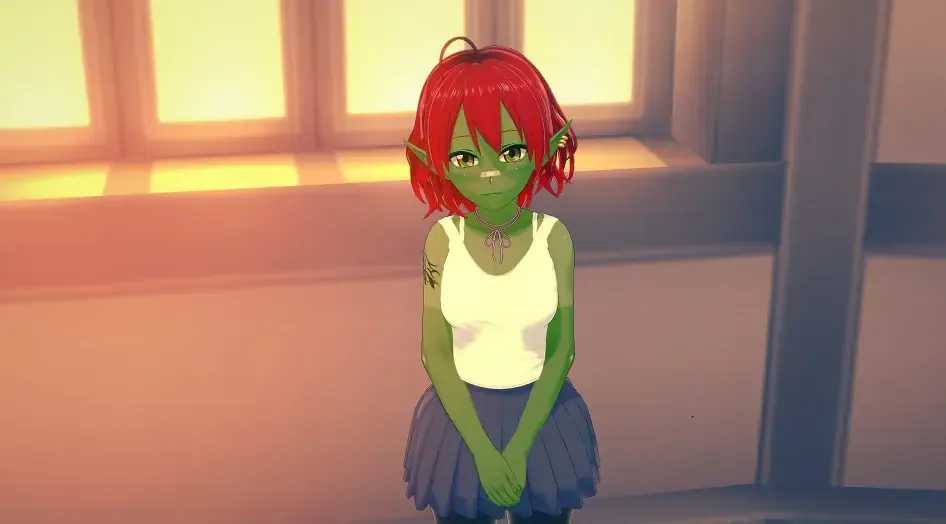
Here’s the cold, hard truth: a great plot is nothing without a cast you believe in. And wow, does Tales of Unity deliver on its characters. This isn’t a collection of tropes with different hair colors. Each companion, ally, and even rival feels like a real person with a history, insecurities, dreams, and a sense of humor (or lack thereof).
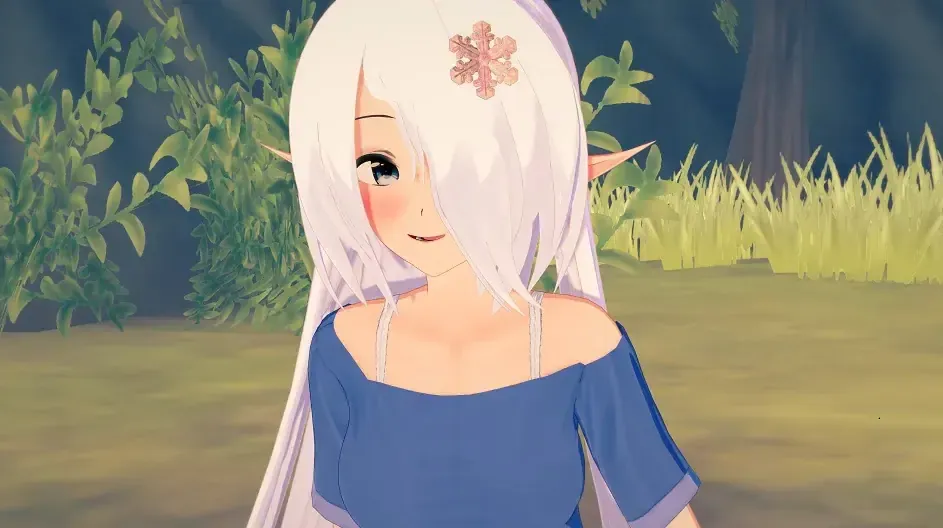
Take Elara, for instance. On the surface, she might fit a “type.” But within minutes, her layers start peeling back. Her tough exterior masks a surprisingly strategic mind and a dry, sarcastic wit that had me grinning every time she entered a scene. Her personal journey isn’t just about getting closer to Leo; it’s about reconciling her duty with her own desires, and watching that internal conflict play out is some of the best writing in the game.
The development is organic. Relationships don’t skyrocket from “hello” to “eternal devotion” after one quest. They build through shared hardships, inside jokes born from ridiculous situations, and quiet moments of vulnerability. You see characters interact with each other when you’re not around, which makes the group dynamic feel alive and independent of you. This depth of Tales of Unity characters is the gold standard for immersive adult storytelling.
It proves that for a story to truly resonate, you need to care about the people in it. When a character is in danger, you feel it. When they achieve a personal victory, you cheer. This emotional connection elevates every other aspect of the experience.
To show you just how it stands out, let’s put it side-by-side with a common benchmark in the genre:
| Feature | Tales of Unity | Typical Genre Game (e.g., Hero’s Harem Guild) |
|---|---|---|
| Story Depth | Central, driving force with major twists and thematic weight. The adult content services the plot. | Often a thin framework to justify scenarios. Plot exists for the scenes. |
| Character Development | Characters have independent arcs, flaws, and growth unrelated to the protagonist. | Development is often linear and solely tied to relationship points with the main character. |
| Humor & Tone | Integrated, character-driven comedy that balances heavier moments. Feels natural. | Often relies on slapstick, fourth-wall breaks, or raunchy one-liners disconnected from story. |
Why the Comedy Hits Every Mark?
Let’s talk about the Tales of Unity comedy, because it’s a huge part of why the world feels so lived-in. This isn’t just a series of naughty puns (though there are a few glorious ones). The humor is woven into the fabric of the characters and situations. It’s the exasperated sigh of a stoic character dealing with a party member’s absurd plan. It’s the witty banter during a tense moment that perfectly breaks the pressure without undermining the stakes.
I remember one particular side quest early on that involved retrieving a “sacred relic” for a local merchant. Without spoiling it, the resolution was so hilariously anticlimactic and grounded in mundane reality that I was crying laughing. It was a brilliant commentary on hero tropes and said more about the game’s world than any epic monologue could. This type of humor makes the characters feel real—they’re people who joke, tease, and cope with stress through laughter.
The comedy also has range. There’s witty sarcasm, clever wordplay, situational absurdity, and even some heartfelt, character-specific quirks that become running gags. It never feels forced or like it’s pandering. It just feels like friends giving each other a hard time, which is a cornerstone of any believable group dynamic. This lightheartedness is essential, as it provides the contrast that makes the darker, more dramatic moments of the Tales of Unity story hit that much harder.
In the end, my personal insight is simple: Tales of Unity succeeds because it puts the experience first. It understands that genuine engagement comes from making you feel a spectrum of emotions—laughter, tension, curiosity, and care. It’s not just a collection of scenes; it’s a journey with a crew you don’t want to leave. It completely shattered my expectations and redefined what I look for in engaging porn game stories. It’s a benchmark, plain and simple. If you value narrative in any form of interactive media, this is a title you absolutely must experience.
FAQ: Diving Deeper into the Tale
Q: Does Tales of Unity have branching paths or multiple endings?
A: Yes, but in a nuanced way! The story has a strong central throughline, but your choices significantly impact character relationships, which can unlock different scenes, dialogue, and ultimately, influence the tone and specifics of your ending. It encourages replayability to see how different bonds change the journey.
Q: Is the story complete, or is it still being developed?
A: The core narrative presented in the current game version is a complete and satisfying story arc. The developers have done a fantastic job of providing closure while leaving the world open for potential future adventures.
Q: How long does it take to fully experience the story?
A: If you engage with all the dialogue, side content, and character interactions, you’re looking at a robust 20-30 hour experience for a single thorough playthrough. Rushing through just the “main” scenes would cause you to miss the vast majority of what makes the narrative special.
Q: I’m not usually into fantasy settings. Will I still enjoy the story?
A: Absolutely. While magic is part of the world, the Tales of Unity story is fundamentally about people, relationships, and personal growth. The fantasy elements provide a fun backdrop and source of conflict, but the core themes are very human and relatable. The humor and character writing are universal.
Tales of Unity stands out as a true gem in the adult gaming world, blending unforgettable storytelling, vivid characters, and laugh-out-loud moments into an experience that’s hard to put down. My own journey through its world left me rethinking what interactive entertainment can achieve. Whether you’re a longtime fan or new to these titles, it offers endless replay value and thrills. Grab it today, dive in, and let the unity of story and passion pull you under—your next favorite adventure awaits.