
The Theater of Sinners
Play The Theater of Sinners
The Theater of Sinners Screenshots
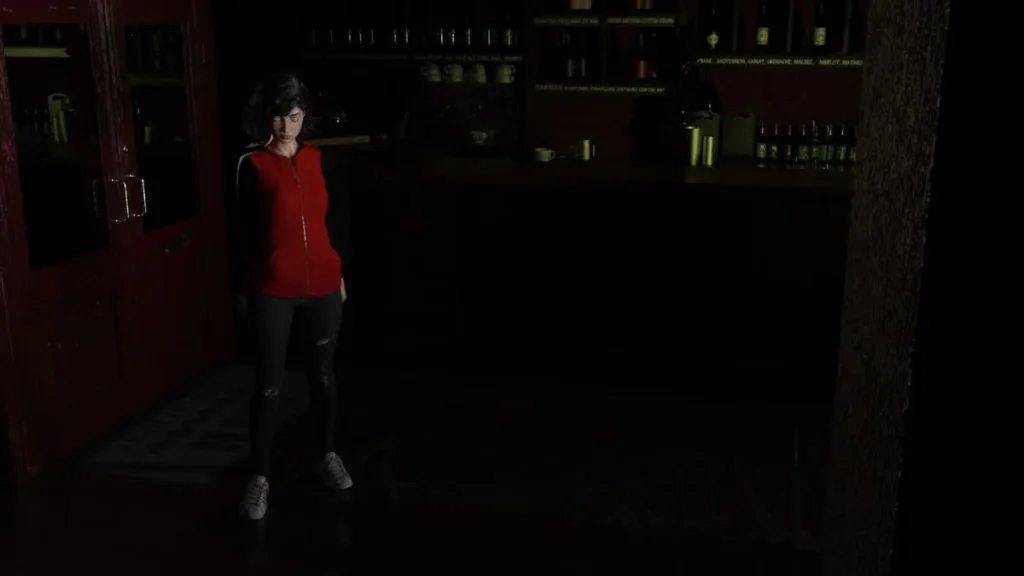
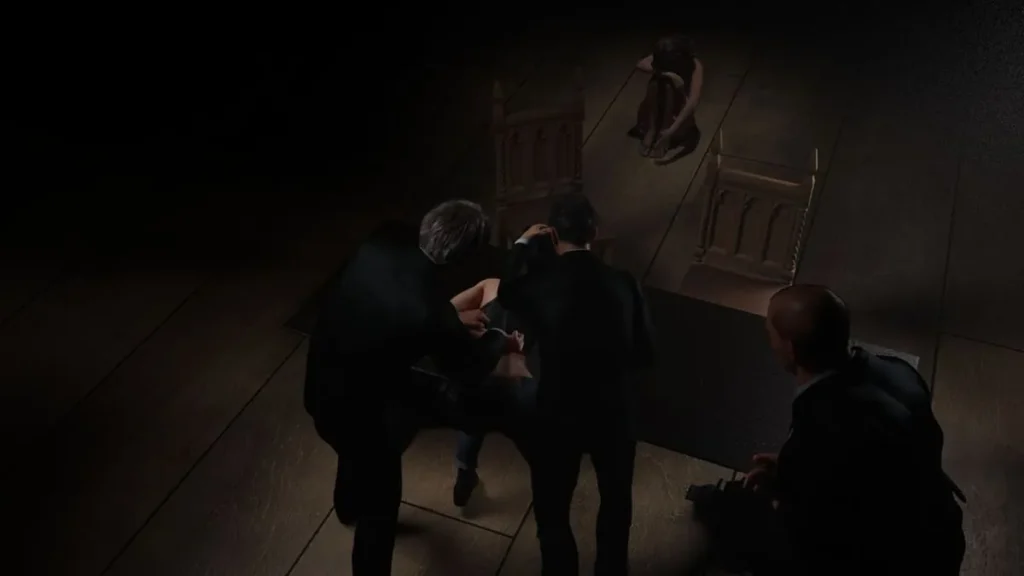
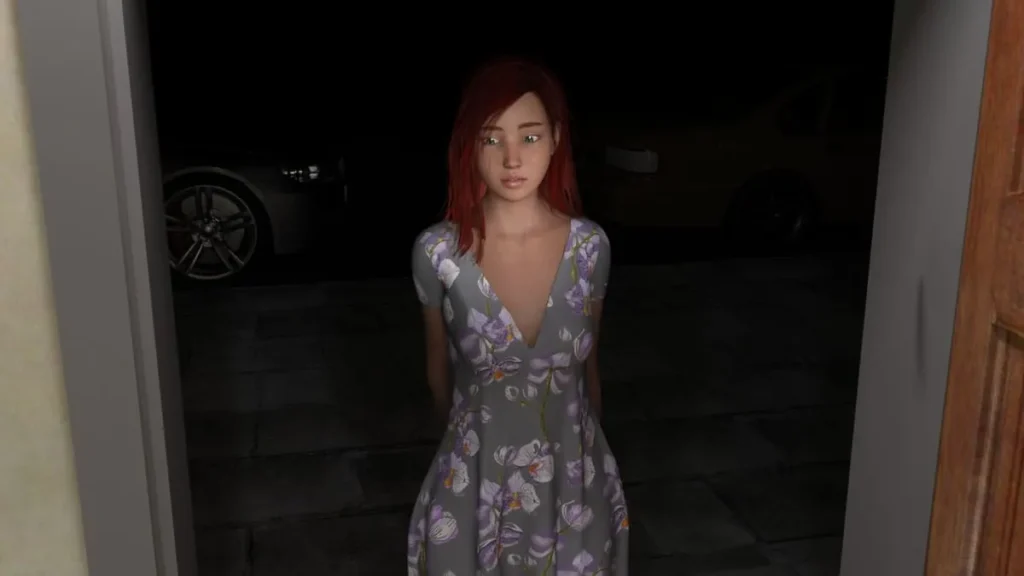
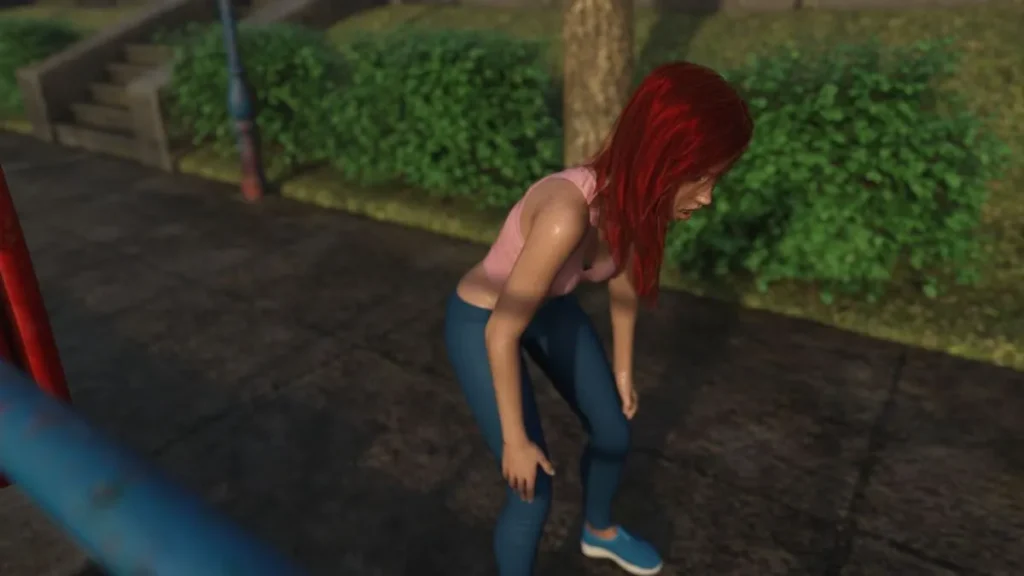
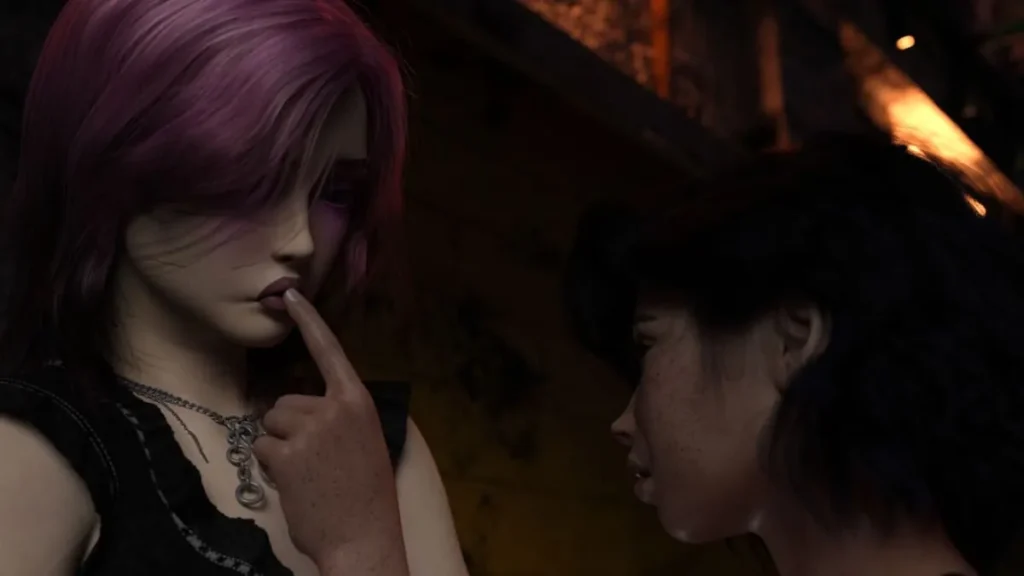
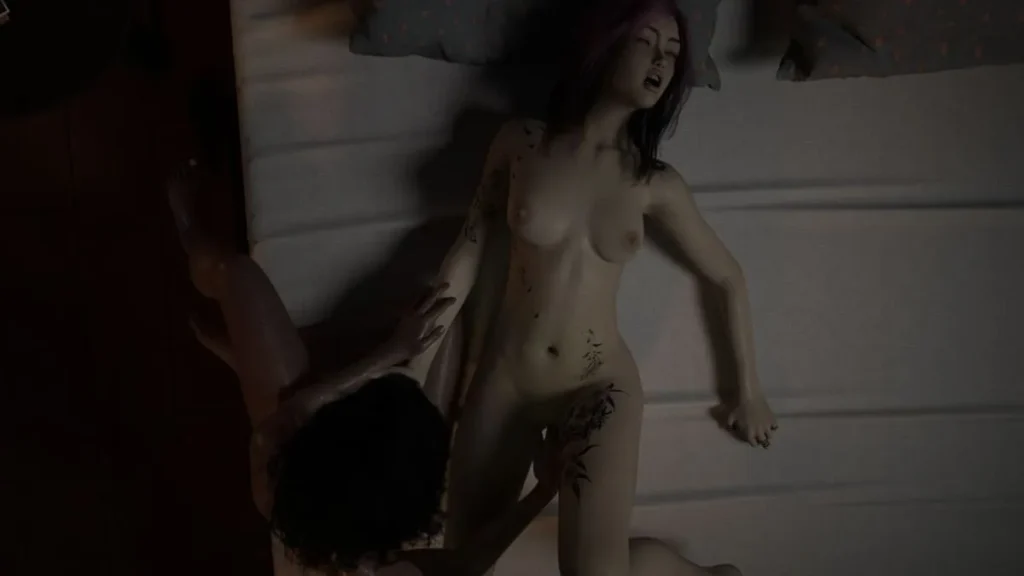
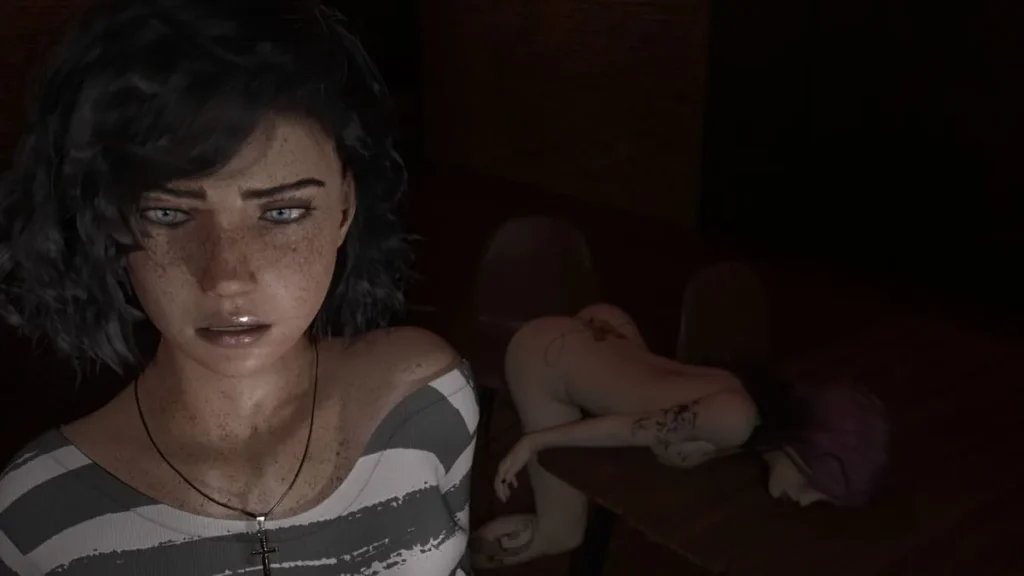



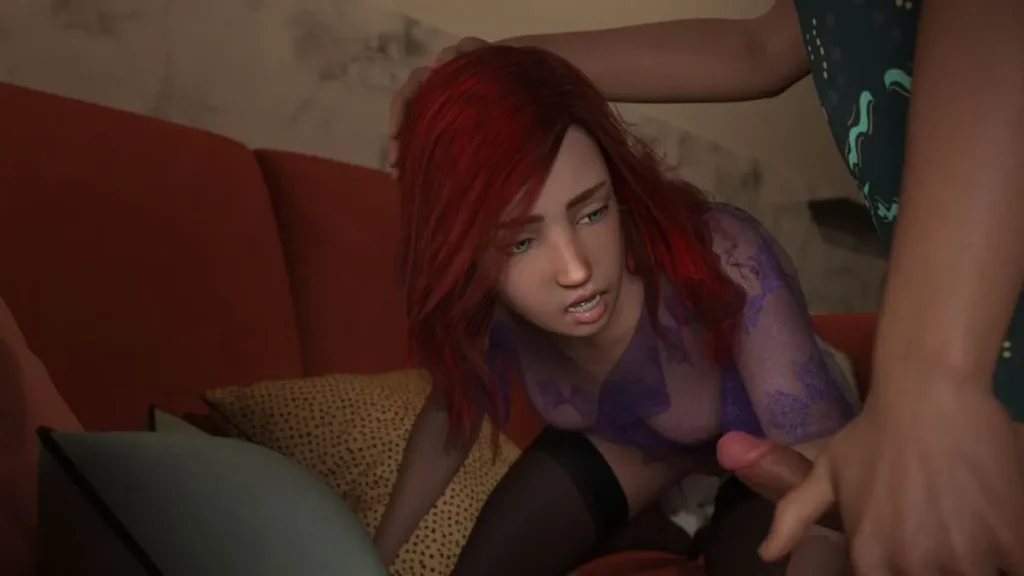
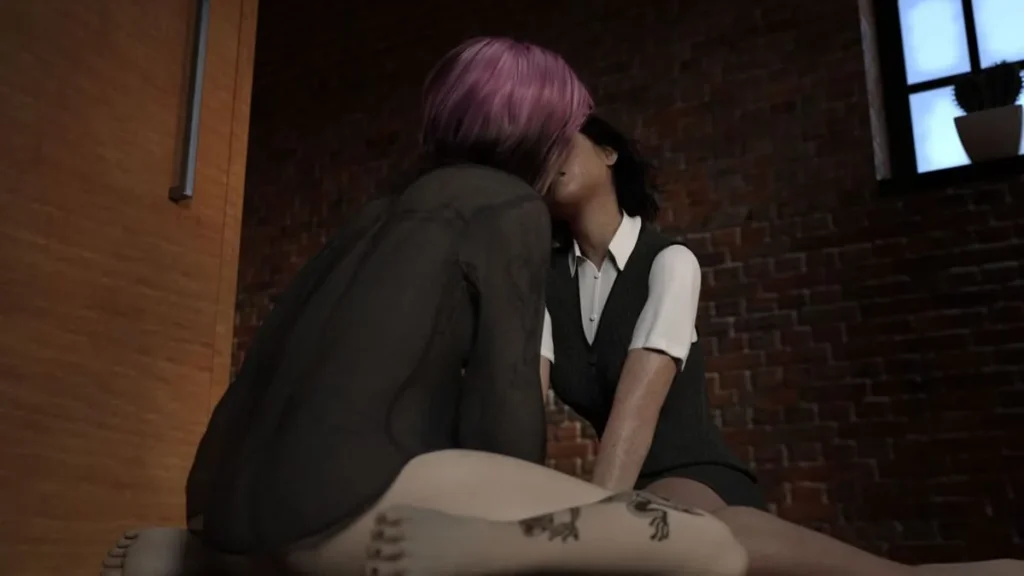
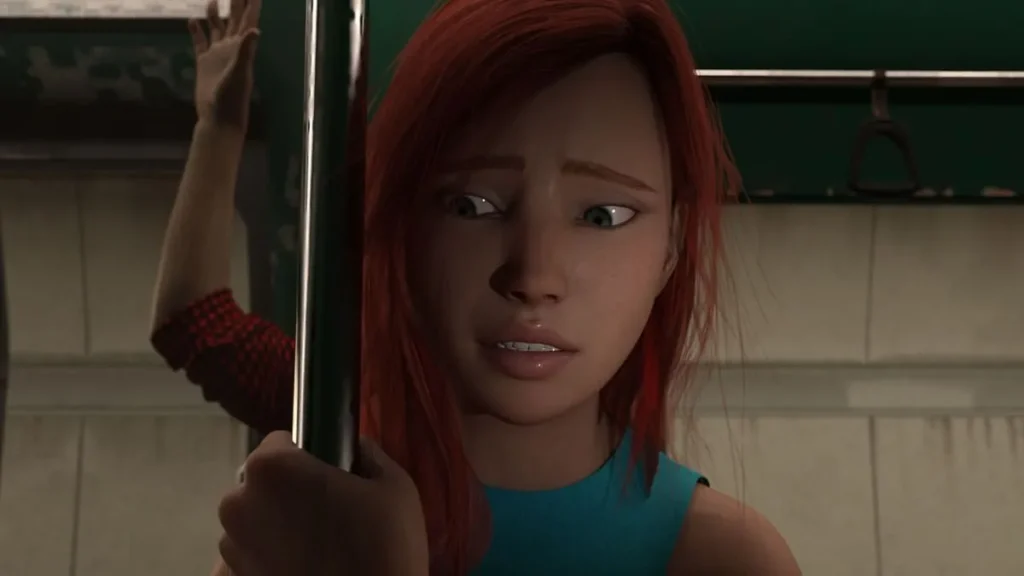
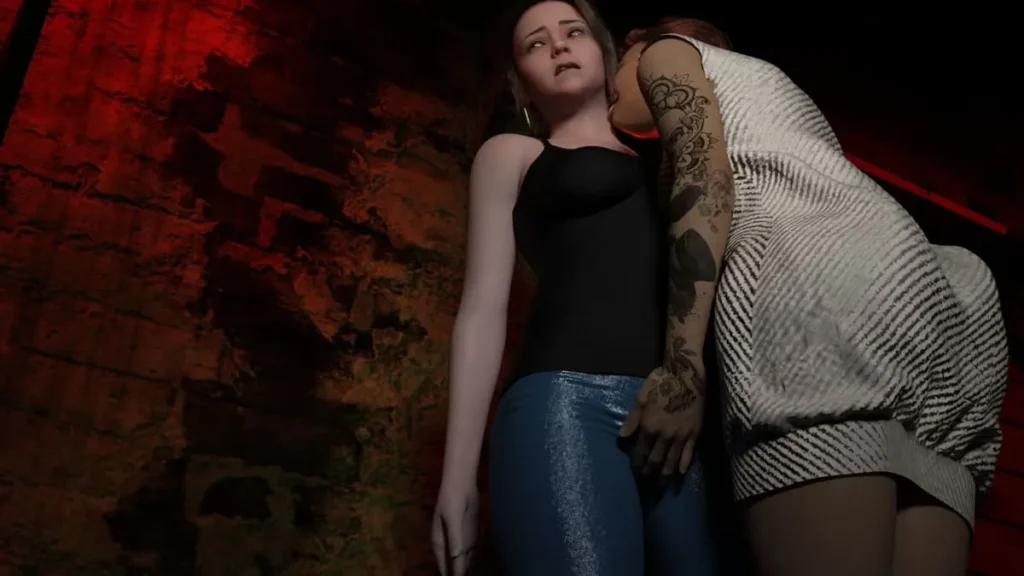

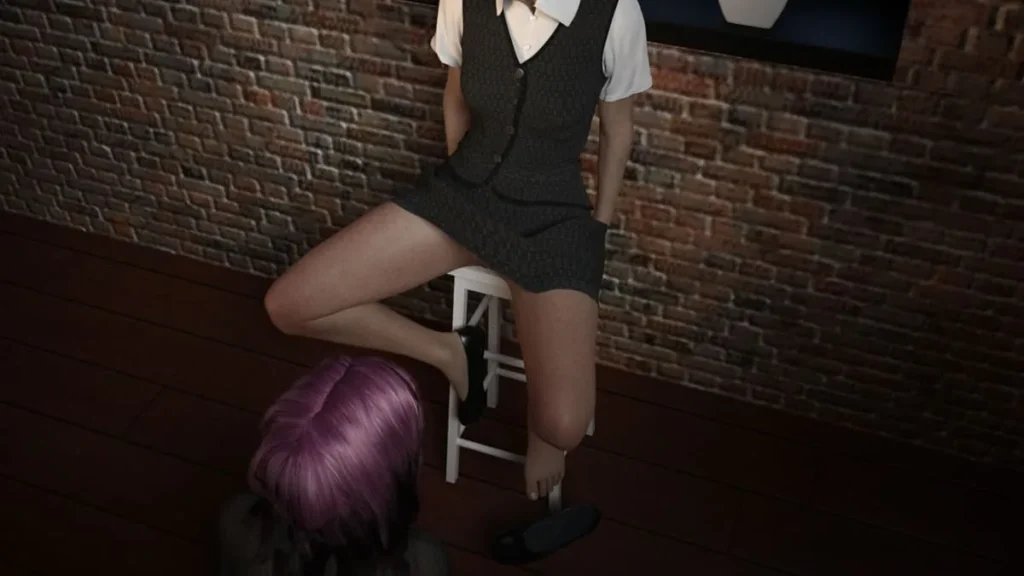
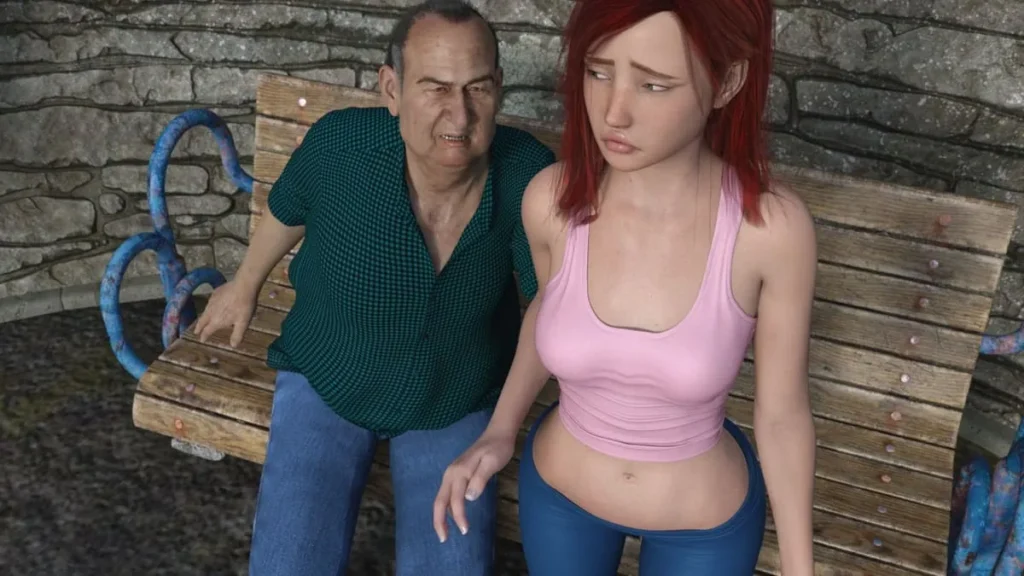
The Theater of Sinners review
Dive into humiliation, corruption, and twisted choices in this Ren’Py adult game
Imagine stumbling into a shadowy theater where every curtain hides a sin, and your choices script the darkest fantasies. That’s The Theater of Sinners, the gripping Ren’Py visual novel by JustXThings that’s captivating players with its raw tale of humiliation, corruption, and blurred morals. In version 0.3 ALPHA 1, you weave through the lives of protagonists like Paula and Rebecca, facing abuse, BDSM dynamics, and psychological horror. I first loaded it up late one night, hooked by the atmospheric dread, and hours vanished as I shaped their deviant paths. This guide unpacks the Theater of Sinners game, from storyline twists to gameplay tips, helping you master its non-linear branches and intense scenes.
What Makes The Theater of Sinners Uniquely Addictive?
I still remember my first playthrough of The Theater of Sinners. I told myself I’d just explore a few paths, get a feel for it. Hours later, I was completely lost in Paula’s world, my cursor hovering over a dialogue option that I knew would push her further down a dark path. I clicked it anyway. 😈 That’s the addictive pull of this Ren’Py masterpiece—it doesn’t just show you corruption; it makes you an active, complicit participant in its beautifully tragic unfolding.
This isn’t your typical visual novel. It’s a psychological trap dressed in stunning art and compelling writing, where moral ambiguity isn’t a theme—it’s the very air your characters breathe. You don’t just watch the story; you carve it, one agonizing or exhilarating choice at a time. Let’s break down what makes this Theater of Sinners so uniquely gripping.
Who Are the Core Protagonists in The Theater of Sinners?
At the heart of the addiction are the Theater of Sinners protagonists. These aren’t blank-slate avatars or perfect heroes. They are broken, complex young women with pasts that cling to them like shadows, and you guide their fragile present. You live their humiliation, their small rebellions, and their devastating compromises.
The game revolves around two central figures:
- Paula: The Paula Theater of Sinners arc introduces us to the daughter of a powerful, wealthy figure. Yet, that privilege makes her a target. Bullied relentlessly by a group of delinquents, her story is a slow, terrifying burn from intimidation to a twisted form of empowerment through submission. Your choices determine whether she shatters, fights back, or discovers a frightening strength in her own degradation.
- Rebecca: The Rebecca Theater of Sinners narrative is a gut-punch of cyclical trauma. Raised by a neglectful addict mother and a violently abusive step-father, Rebecca’s deepest fear is becoming what she hates. Her path is a tightrope walk between reclaiming agency and replicating the abuse she endured, making every decision feel perilously consequential.
Getting to know them is the first step into the game’s haunting world. You’re not managing stats; you’re navigating the wounded psyche of a Paula seeking control or a Rebecca desperate to break a cycle.
How Does the Storyline Blend Horror and Adult Themes?
The Theater of Sinners storyline is a masterclass in atmospheric dread. It seamlessly weaves psychological horror with its adult content, so one constantly feeds the other. The horror isn’t about jump scares; it’s in the chilling plausibility of the situations, the crushing weight of past trauma, and the terrifying realization of what someone will do to feel something—even if it’s pain.
This is a world where a flashback to childhood abuse can be immediately followed by a scene of intense, consensual-yet-complicated power play. The game doesn’t shy away from themes of abuse, humiliation, and twisted romance, using them to explore deep-seated fears and desires. As the developers themselves note on the game’s itch.io page, it’s about “the darker sides of desire, the scars of the past, and the dangerous allure of giving in.”
The structure is brilliantly non-linear. Stories for Paula and Rebecca interleave, with flashbacks and “what if” moments triggered by your Theater of Sinners choices. This creates a mosaic narrative where understanding one character’s present often requires glimpsing the other’s past. You’re piecing together a tragedy in real-time, and the moral ambiguity in Theater of Sinners ensures there are no easy answers, only compelling, heart-wrenching questions.
Why Do Player Choices Drive Such Harsh Outcomes?
This is where the rubber meets the road. Your agency in The Theater of Sinners is total—and terrifyingly permanent. The game’s choice system is a delicate, interlocking machine of stats, flags, and event order. There’s no “good” or “bad” choice; only choices that align with a character’s evolving (or devolving) state of mind.
Every dialogue option, every action, tweaks invisible meters—shifting a character’s Submission, Resentment, Fear, or Corruption. Reach a threshold, and entire new story branches unlock, often leading to more extreme versions of their path. A seemingly kind act early on might close off a later chance for harsh dominance, and vice-versa.
| Stat Influence | Potential Story Branch |
|---|---|
| High Submission / Low Resentment | Unlocks deeper paths of consensual power exchange and dependency. |
| High Resentment / Low Fear | Opens routes focused on rebellion, revenge, and taking control. |
| Balanced Corruption & Fear | May trigger unique events of psychological breakdown or revelation. |
🛠️ Practical Advice? Save often, and in different slots. The game respects your decisions by not allowing easy take-backs. Savor the dialogue, too. A throwaway line about a childhood memory might be the key to understanding why a certain harsh choice “feels right” for Rebecca in that moment.
Let me give you a storytelling example. Early in Paula’s arc, her bullies have her cornered. One offers a “way out”: a private “performance.” You’re given a choice: Refuse outright, Beg for mercy, or, if a hidden “Curiosity” stat is high enough, Ask what they want… Choosing that third option isn’t just agreeing; it’s Paula, in her terror, engaging intellectually. It leads to a BDSM-themed scene where she’s not just a passive victim but an active, if coerced, participant. The scene is intense, but it also shifts her dynamic with the bully, creating a perverse connection that fuels dozens of future story possibilities. You didn’t just watch a scene; you engineered a pivotal character turn.
That’s the brilliance. The humanity in its flawed characters makes it more than adult content. The Theater of Sinners holds up a dark mirror to our own curiosity about power, control, and the lines we cross. It’s addictive because it asks, “What would you do to survive? To feel powerful? To feel anything at all?” And then, without judgment, it lets you find out. 🎭
The Theater of Sinners isn’t just another visual novel—it’s a haunting journey through corruption, tough choices, and raw human flaws that lingers long after the credits. From Paula and Rebecca’s intertwined struggles to the kinky branches and psychological depth, it masterfully blends adult thrills with storytelling that hits hard. My playthroughs taught me that every decision echoes, turning players into complicit architects of fate. If you’re drawn to dark fantasies with consequence, dive in today. Download the latest alpha from itch.io, experiment boldly, and share your wildest paths in the comments—what branch shocked you most?