My Catgirl Maid Thinks She Runs the Place
Play My Catgirl Maid Thinks She Runs the Place
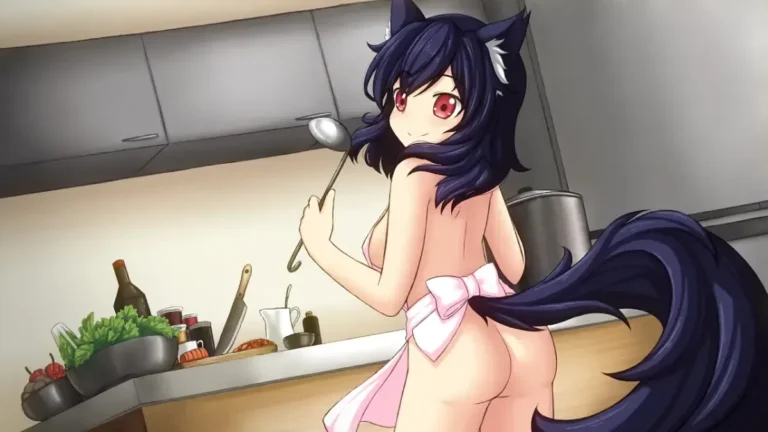
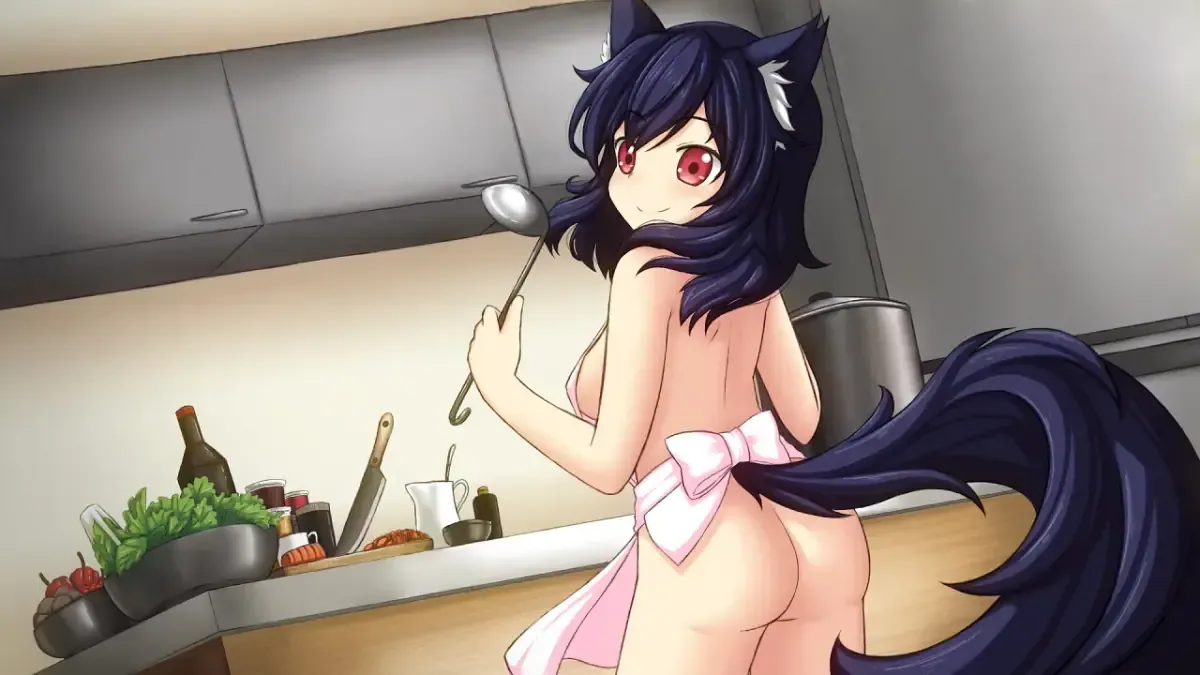
My Catgirl Maid Thinks She Runs the Place Screenshots




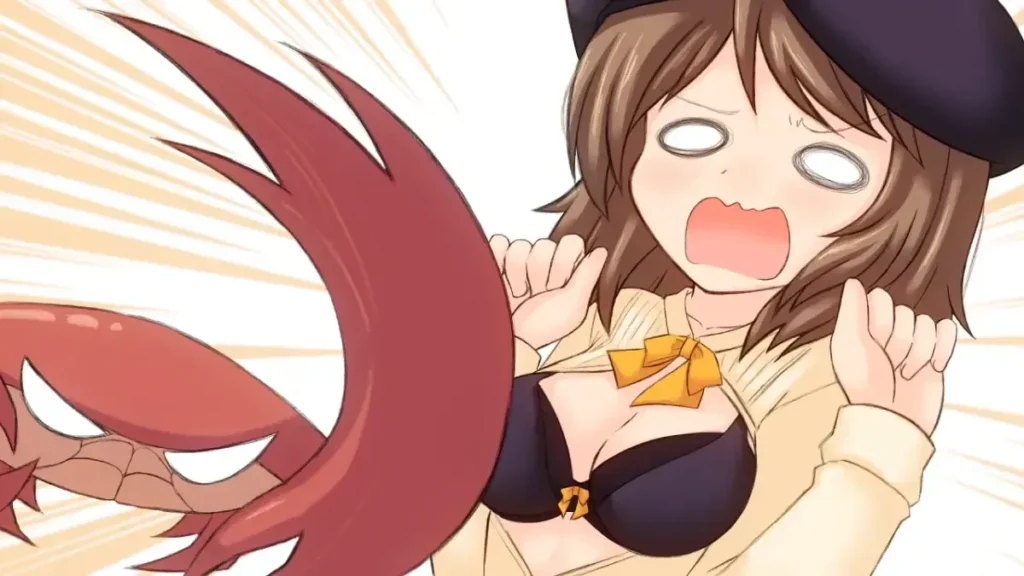
My Catgirl Maid Thinks She Runs the Place review
Explore the story, characters, and endings of this acclaimed visual novel
My Catgirl Maid Thinks She Runs the Place is a standout visual novel that has captured the hearts of players worldwide. This indie game combines humor, character development, and engaging storytelling to create an experience that resonates with fans of the genre. Whether you’re curious about the plot, wondering about the different endings, or looking to understand what makes this game special, this guide covers everything you need to know about this beloved title. The game offers multiple playthroughs with distinct outcomes, ensuring each experience feels fresh and rewarding.
Understanding the Game: Story, Gameplay, and Core Mechanics
Ever find yourself scrolling through Steam, completely overwhelmed by sprawling open-world epics that demand hundreds of hours of your life? 😩 You just want something fun, charming, and complete—a story you can enjoy over a weekend without needing a PhD in lore. If that sounds familiar, then let me introduce you to your next favorite distraction. My Catgirl Maid Thinks She Runs the Place is that rare gem: a character-driven storytelling game that packs a hilarious, heartfelt punch without overstaying its welcome.
This isn’t just another Steam visual novel game; it’s a masterclass in economical, effective narrative. As someone who’s played my fair share of indies, I was blown away by how much personality and depth the creators fit into such a tight package. It perfectly balances chaos and calm, leaving you with a satisfied smile rather than a backlog guilt-trip. So, what’s the deal with this peculiar title, and why is it generating such a dedicated fanbase? Let’s dive in. 🐱👤
What is My Catgirl Maid Thinks She Runs the Place?
Imagine this: You’re Hiro, a profoundly exhausted, low-level minion at a soul-crushing megacorporation. Your life is a grey blur of paperwork, passive-aggressive emails, and microwave dinners. One morning, you don’t so much wake up as you are awakened—by the sight of a stranger with cat ears and a tail cheerfully vacuuming around your sleeping form. 🐾 This is Misha. She hasn’t broken in. She’s simply… moved in. And she has appointed herself as your personal maid, whether you like it or not.
This hilarious and inexplicable scenario is the brilliant kickoff for this acclaimed My Catgirl Maid visual novel. The core premise answers the question, “what is My Catgirl Maid game about?” in the most direct way: it’s a chaotic roommate comedy wrapped in the gentle, melancholic shell of an existential drama. Misha’s arrival is a meteor strike on Hiro’s monotonous life, and the story explores the crater she leaves behind.
But here’s the real genius of the catgirl maid game story: it’s told from dual perspectives. You don’t just see events through Hiro’s bewildered, weary eyes. You also get chapters from Misha’s point of view. This is where the game transcends its silly premise. Misha isn’t just a manic pixie dream girl; she’s a complex character with her own fears, history, and mysterious motivations. Her relentless optimism and peculiar domestic crusade are a shield for something deeper, and getting inside her head is an absolute delight. This dual-narrative approach transforms the experience from a simple odd-couple tale into a rich, empathetic exploration of two lonely people (well, one person and one cat-person) finding an unexpected anchor in each other.
How Does the Gameplay Work?
If you’re new to the format, don’t sweat it. The visual novel gameplay mechanics here are beautifully straightforward, designed to immerse you in the story without complex barriers. At its heart, a visual novel is an interactive storybook. You read through beautifully illustrated scenes and character dialogue, and at key moments, you’re presented with choices.
Pro Tip: Don’t stress about “right” or “wrong” choices on your first playthrough. The game encourages you to role-play as you genuinely feel. Would a tired Hiro be snippy or resigned? Would Misha double down on her antics or show a flicker of concern? Go with your gut! 😸
In My Catgirl Maid Thinks She Runs the Place, these choices typically influence the immediate dialogue tone, reveal different character insights, or steer the conversational flow. The game is linear in its overall plot—this isn’t a branching-path epic with dozens of endings—but your choices shape the journey and your relationship with the characters. It makes the story feel personally tailored, even as it guides you toward its carefully crafted conclusion.
Here are the key gameplay features that define the experience:
- Dual Perspective Storytelling: As mentioned, you alternate playing as Hiro and Misha. This isn’t just a narrative trick; it fundamentally changes how you interpret events and make choices. A situation that seems frustrating from Hiro’s view might be heartbreakingly sincere from Misha’s.
- Respectful Pacing & Chapter Progression: The game is structured into 11 tight chapters, each taking 20-40 minutes to complete. This is one of its greatest strengths. There’s no filler. Every scene develops character, advances the plot, or delivers a perfect joke. It respects your time immensely.
- Atmosphere Over Action: Gameplay is about immersion. You’ll soak in the cozy, sometimes messy apartment, the changing time of day, and the fantastic soundtrack that swings from jazzy cafe tunes to somber, reflective melodies. The “gameplay” is the act of witnessing this relationship unfold.
To break it down, here’s a quick look at the core interactive loop:
| Gameplay Phase | What You Do | Impact & Outcome |
|---|---|---|
| Reading & Observation | Progress through the narrative, enjoying the art, writing, and voice acting (for some characters). | You become invested in the world and the characters’ lives. This is the primary activity. |
| Making Dialogue Choices | Select how Hiro or Misha responds in conversations from 2-4 options. | Shapes character dynamics, unlocks unique lines of dialogue, and influences the emotional tone of scenes. |
| Perspective Switching | Experience key events from both main characters’ points of view in successive chapters. | Builds deep narrative understanding and empathy. You get the “full story” that neither character has alone. |
This elegant system ensures that you, the player, are always engaged as an active participant in the story’s flow, not just a passive reader. It’s a perfect example of how effective visual novel gameplay mechanics can be when focused on character and mood.
Story Structure and Narrative Progression
So, how does this all come together? The indie game narrative structure of My Catgirl Maid is a big reason for its acclaim. It follows a classic three-act structure, but executes it with such warmth and specificity that it feels wholly fresh.
Act 1 (Chapters 1-4): The Intrusion & The Uneasy Truce.
The story begins with the inciting incident: Misha’s arrival. The first chapters are pure comedy gold, focusing on Hiro’s disbelief and Misha’s utterly unshakeable, slightly unhinged commitment to her self-assigned role. You’ll explore the core joke from every angle—her bizarre cleaning methods, her misinterpretation of human customs, her total lack of boundaries. But even here, glimmers of something more poignant shine through. Why is she really here? Why does she care?
Act 2 (Chapters 5-8): Coexistence and Unraveling.
The routine sets in. Hiro, despite himself, begins to adjust. Maybe having someone make you tea when you get home from your awful job isn’t the worst thing? 🫖 This middle section deepens the character bonds through shared, quieter moments. But it also starts applying pressure. Misha’s past and her mysterious connection to Hiro’s corporation begin to surface. The tone gently shifts from pure comedy to a blend of humor and heartfelt reflection. The dual perspectives become crucial here, as you see both characters’ inner doubts and growing attachments.
Act 3 (Chapters 9-11): Confrontation and Resolution.
Without spoiling anything, the final act brings all the simmering questions to a boil. The catgirl maid game story reveals its true heart, tackling themes of purpose, loneliness, and choosing your own family. It’s here that the game’s promise to “tie up all loose ends” is gloriously fulfilled. The ending is profoundly satisfying, offering closure that feels earned and emotionally resonant. It’s the kind of ending that makes you sit back, sigh happily, and immediately want to message a friend to tell them to play it.
This 11-chapter framework is a big part of why the game works so well as a Steam visual novel game. It’s a complete, satisfying narrative meal, not an endless buffet. The pacing is impeccable, ensuring that the comedy never wears out its welcome and the emotional beats land with maximum impact. The character development is continuous and organic; you can literally track Hiro’s shoulders unhunching and Misha’s smile becoming less of a performance and more genuine as the story progresses.
Ultimately, My Catgirl Maid Thinks She Runs the Place understands that the best stories are about people, not just plots. It uses its brilliant premise as a gateway to explore two wonderful characters, and its smart, focused indie game narrative structure ensures every moment serves that goal. It’s a testament to the power of concise, character-driven storytelling in the visual novel medium. Whether you’re a genre veteran or a curious newcomer, this game offers a perfectly paced, memorable experience that proves a great story doesn’t need to be long—it just needs to be true.
My Catgirl Maid Thinks She Runs the Place stands out as a remarkable visual novel that successfully blends humor, character development, and engaging storytelling. From its charming premise of a catgirl maid taking over a protagonist’s life to its multiple endings that reward different playstyles, the game delivers a complete and satisfying experience. The community’s overwhelming positive reception, combined with the game’s respectful pacing and meaningful character progression, makes it a must-play for visual novel enthusiasts. Whether you’re drawn to indie games, character-driven narratives, or simply looking for a fresh take on the visual novel genre, this game offers something special. Dive into the story, explore the different endings, and discover why players continue to praise this title as a masterpiece in the indie gaming landscape.